

Functional Speech Room Decor and Setup Ideas for SLPs
Functional speech room decor can make your therapy space feel welcoming while also helping students communicate, understand routines, and practice new skills.
If you’re decorating your first speech room, it can be hard to know where to start! We sometimes have to share a small space or even have to work in the hallways.
Also, you need a variety of visuals for differeTell your students the behaviornt ages, goals, and communication needs. However, creating an organized space doesn’t require a large budget when using Canva. In this blog post, I’ll share practical speech room decorating ideas for classrooms, small offices, and shared spaces.
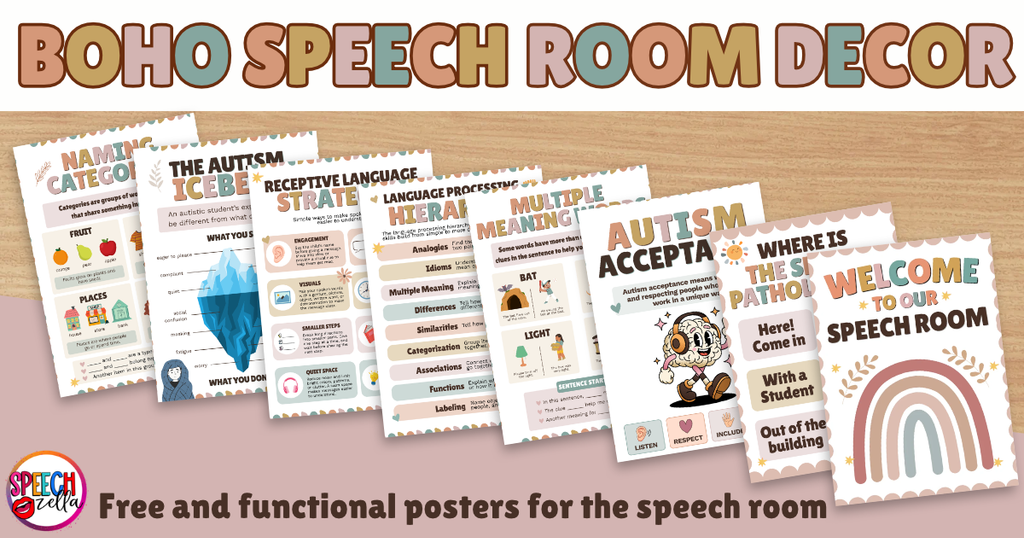
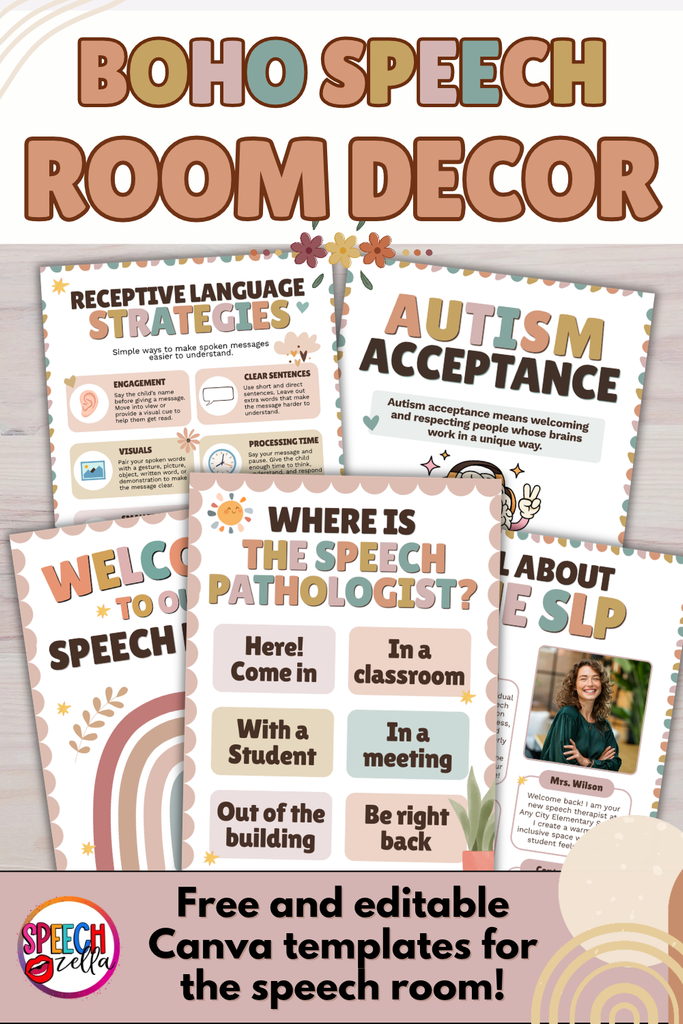
As a school-based SLP, I created this free and editable collection of boho functional speech room decor for real therapy sessions. It includes speech and language posters, visual schedules, room signs, student activities, calming supports, and other tools you can customize in Canva, all with a boho theme and decorative borders.
What Is Functional Speech Room Decor?
Functional speech room decor is any visual that serves a clear purpose during the school day. It may:
- Remind students of daily routines.
- Support understanding.
- Teach speech and language skills.
- Provide word lists.
- Help students express their needs.
- Explain the SLP’s role (which is great for IEP meetings).
- Share helpful information with teachers and families.
- Make the speech room feel safe and welcoming.
Most importantly, functional speech room decor should be clear, readable, and easy to use. Choose visuals that connect to your students’ current needs and speech-language goals.
How to Decorate a Speech Room with Functional Decor
The most useful functional speech therapy classroom decor supports communication, teaches skills, and helps students understand what happens in the therapy space.
Here are three popular types of speech room decor and ways you can use them.
1. Welcome Signs and Inclusive Posters
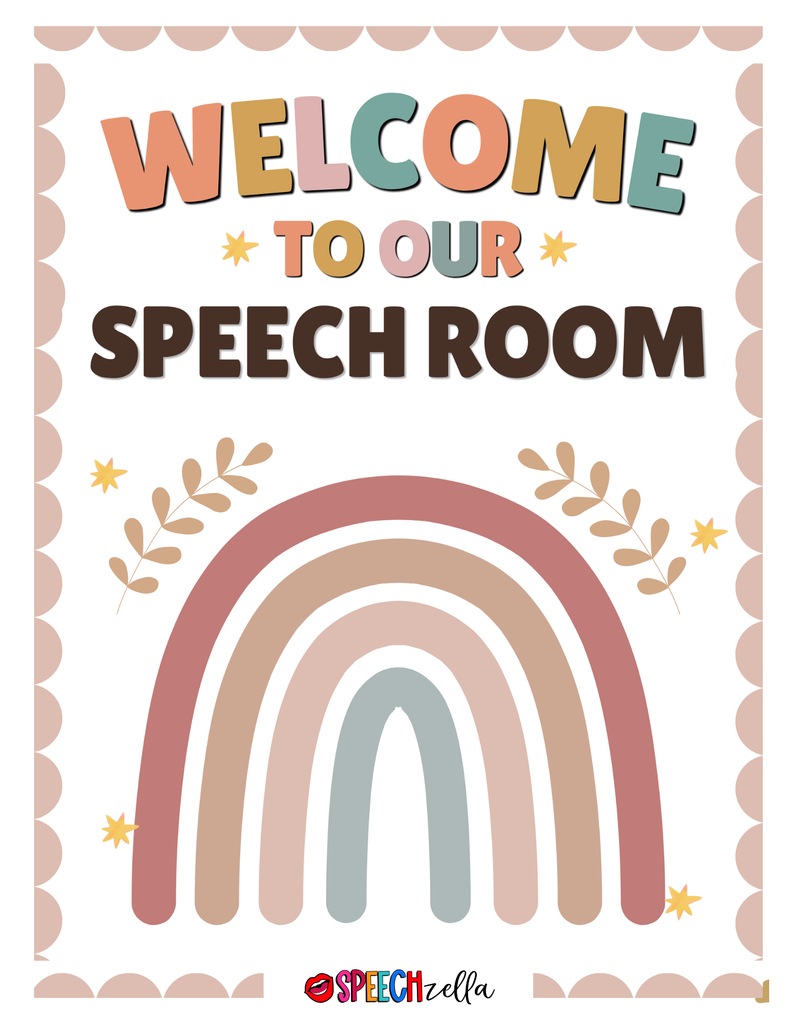
A welcome sign is often the first thing a student sees when entering the speech room. Posters such as Welcome to Our Speech Room, You Belong Here, and Everyone Deserves a Voice let students know their communication is valued.
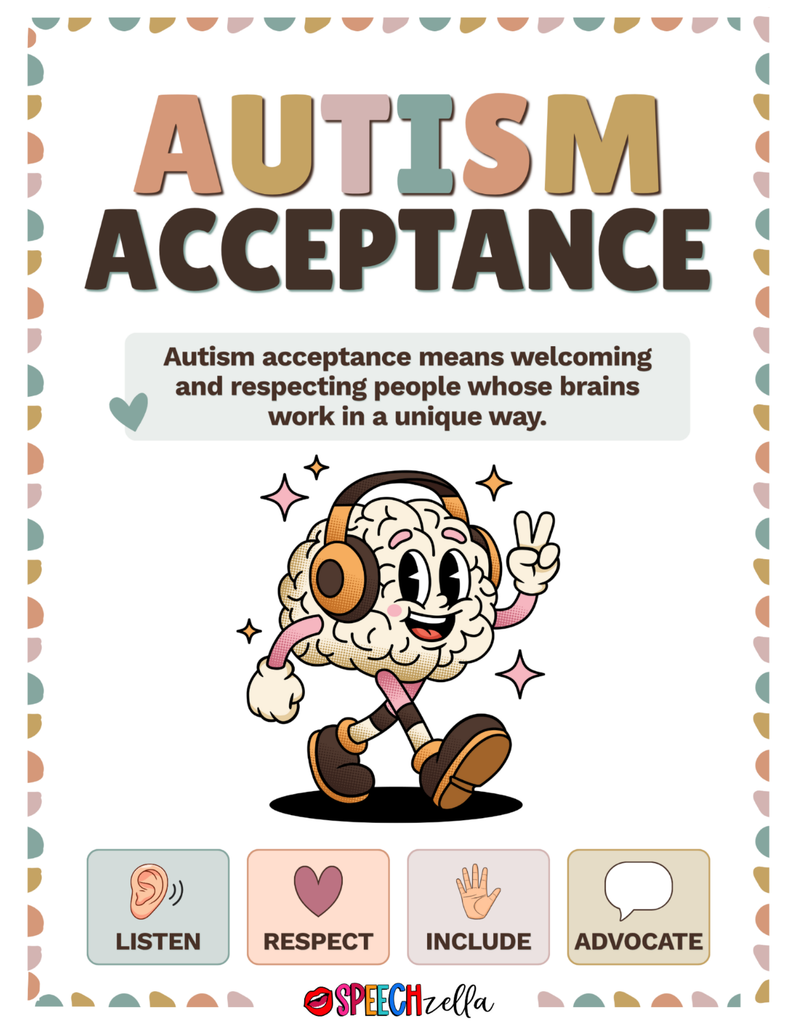
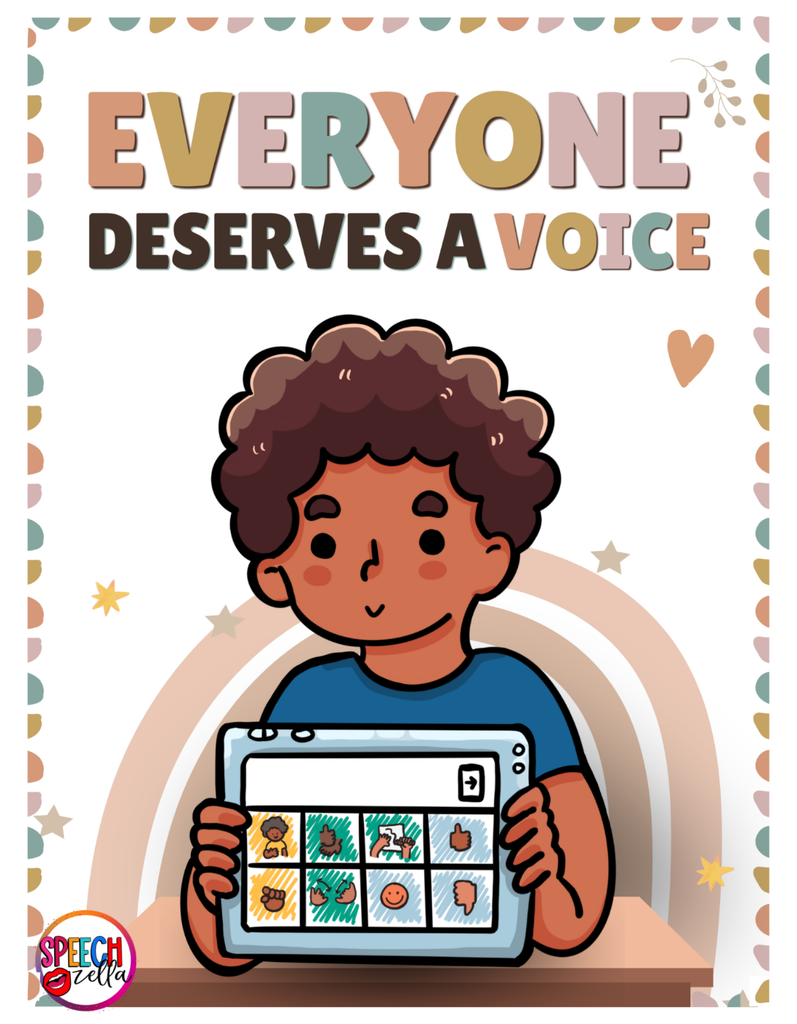
These messages are especially important in a speech room because communication doesn’t look the same for everyone. Some students communicate through speech, and others use signs, gestures, facial expressions, pictures, a communication board, an AAC device, or a mix of these methods.
There is no “right” way to communicate!
Every student deserves time, support, and access to a communication system that works for them. These functional posters help you set the tone for every session!
2. Speech Room Rules and Routine Displays
Clear routines help students know what to expect. These visuals can answer your students’ questions without having to repeat the same information throughout the day.
Here are some of the posters you can use:
Speech Room Schedule
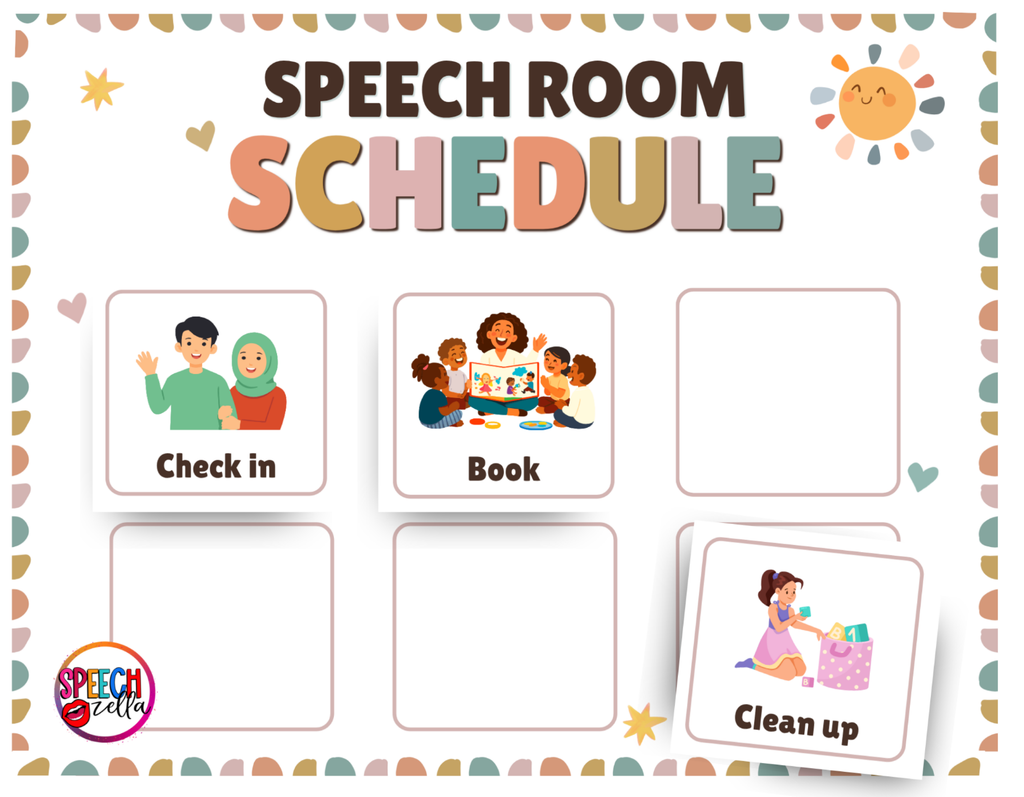
A schedule helps students anticipate what will happen next in the session.
No more questions such as “What are we doing today?” or “Can we play a game?”
Where is the Speech Pathologist? Sign
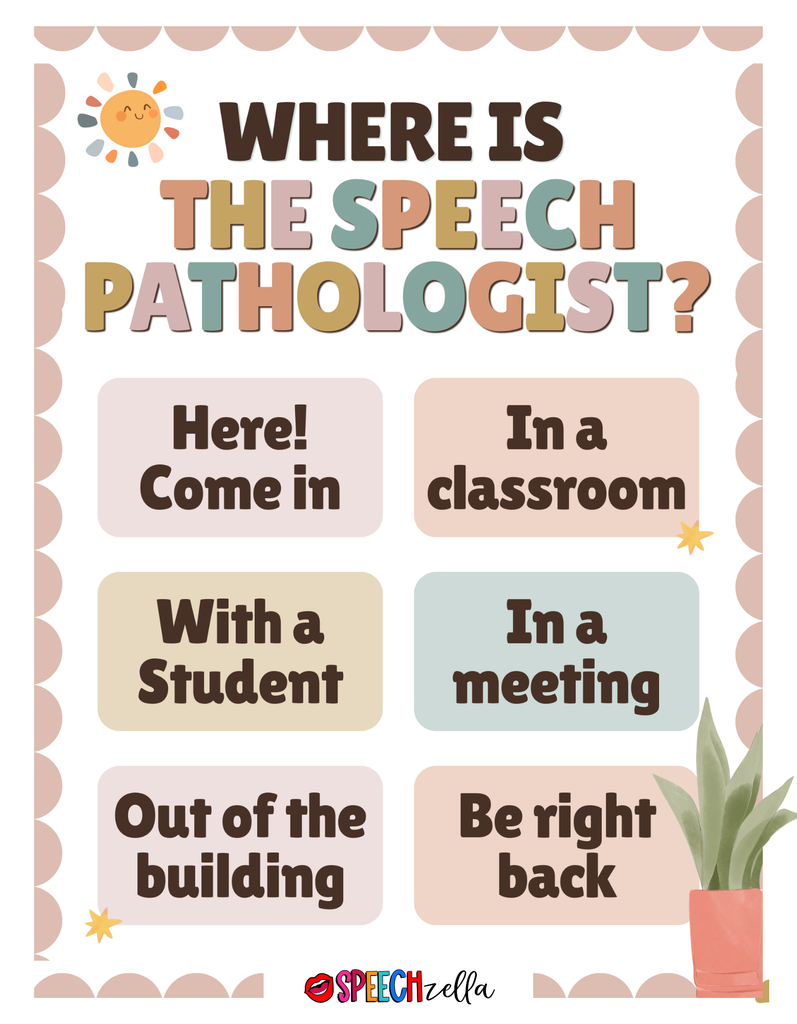
This “Where Is the Speech Pathologist?” sign lets everyone know whether you’re in a classroom, at a meeting, or working with a student.
Use clothespins or a magnet to mark off where you are.
Speech Room Rules
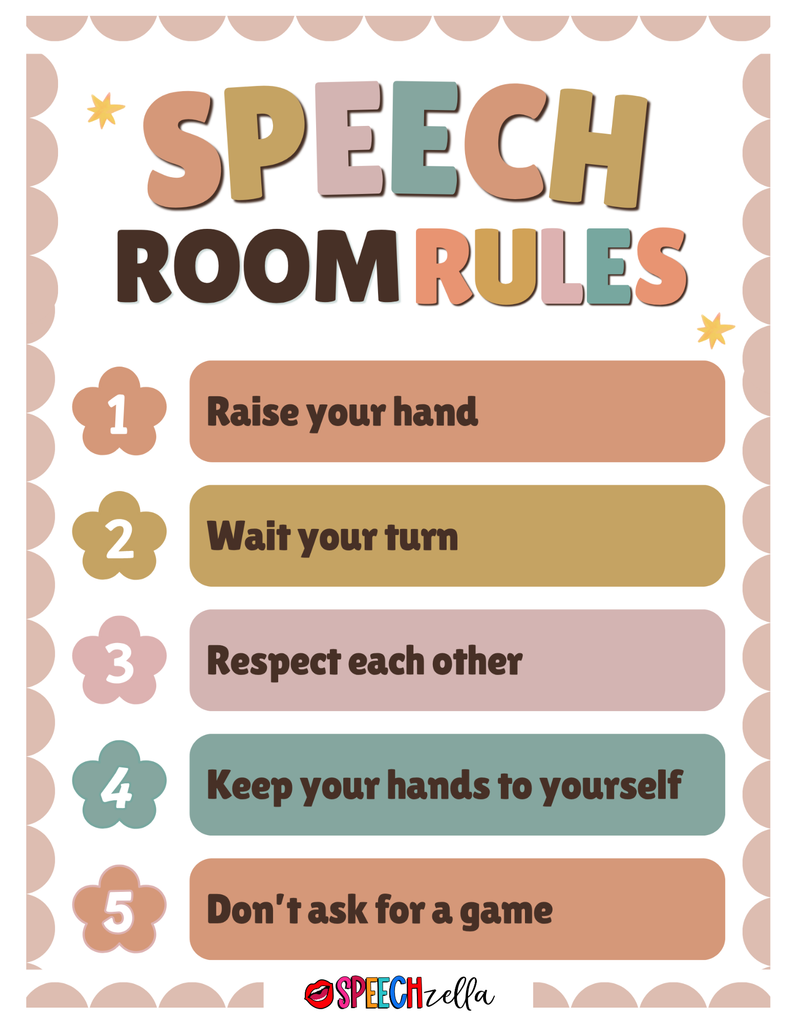
- Rules should be clear and focused on what students can do. Tell your students the behavior you want, such as “Take turns talking.”
- This is easier to understand than a long list of behaviors to avoid!
- This functional speech room decor makes routines more predictable.
3. Articulation and Speech Sound Posters
If you work with students who have articulation difficulties, these posters are a MUST-HAVE!
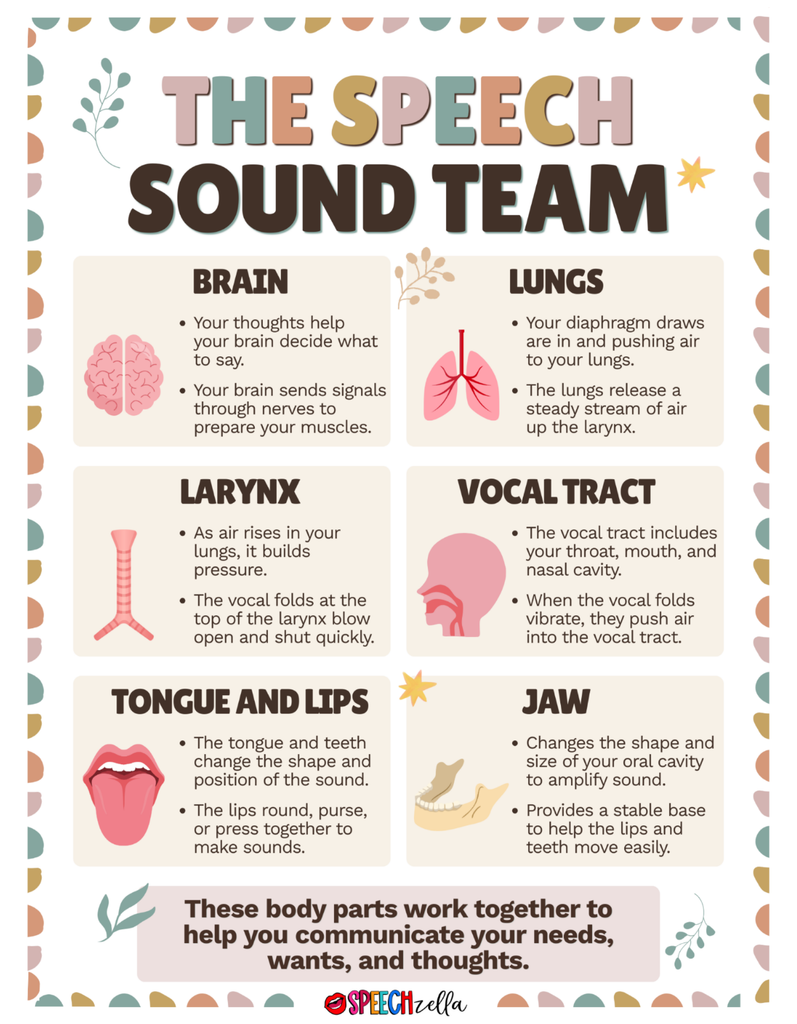
- The Speech Sound Team poster explains the roles of the brain, lungs, larynx, vocal tract, tongue, lips, and jaw.
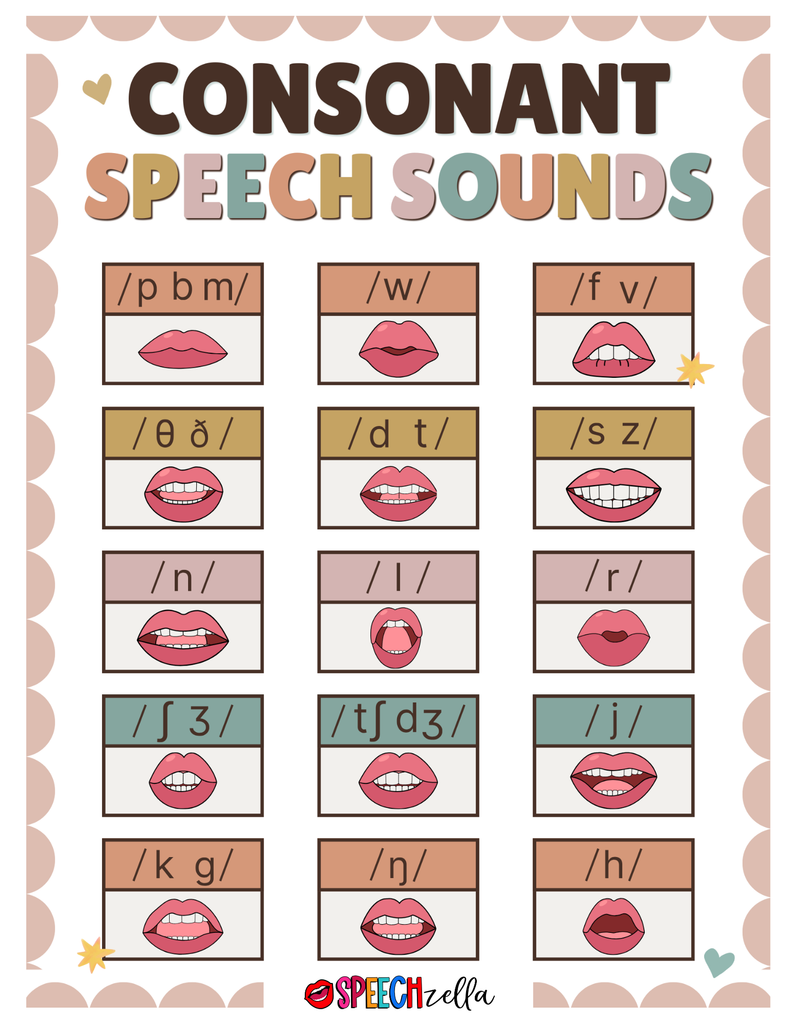
- The Consonant Speech Sounds poster introduces speech sound symbols and shows students how the lips, tongue, teeth, and jaw work together to make each sound.
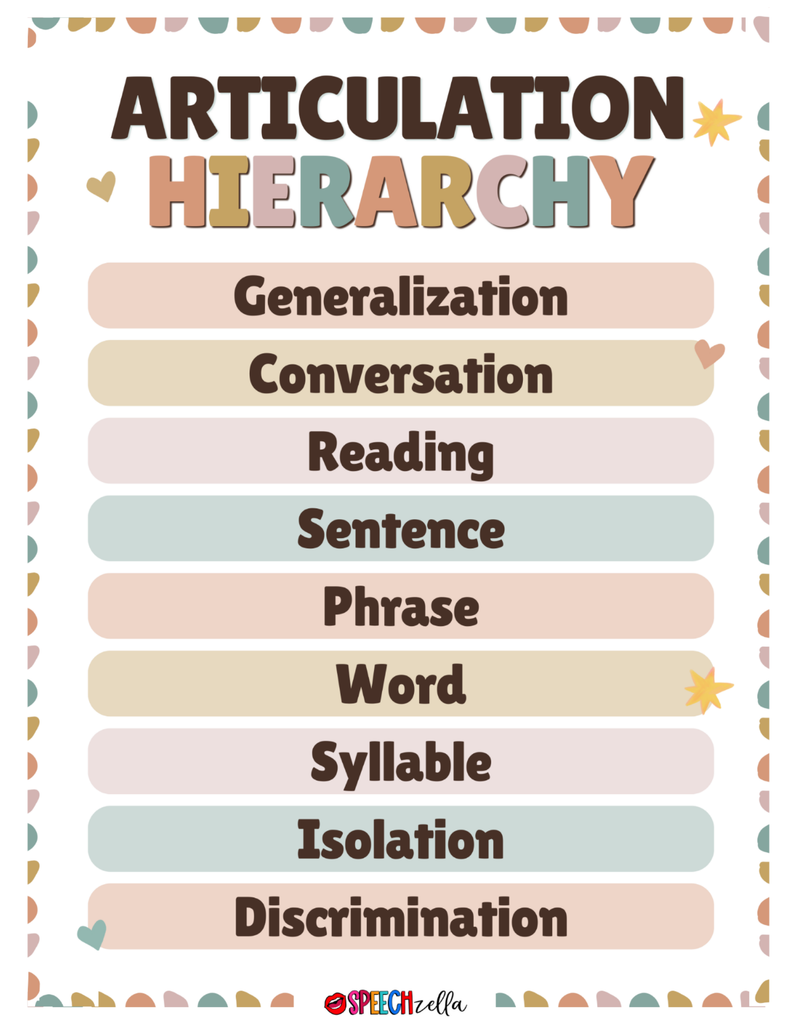
- An Articulation Hierarchy gives students a visual path from practicing a sound to using it in conversation. You can point to the current level, use it as an easy reference tool, and explain what comes next.
4. Receptive and Expressive Language Posters
Language posters give students a visual reference as they learn a new skill.
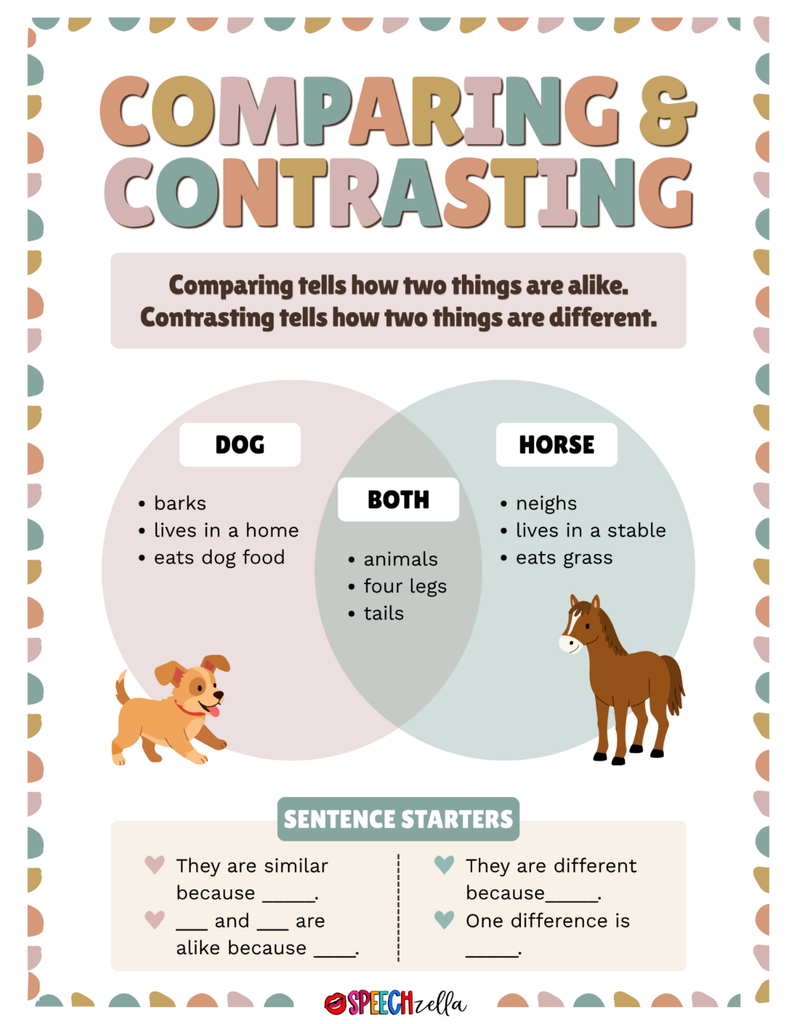
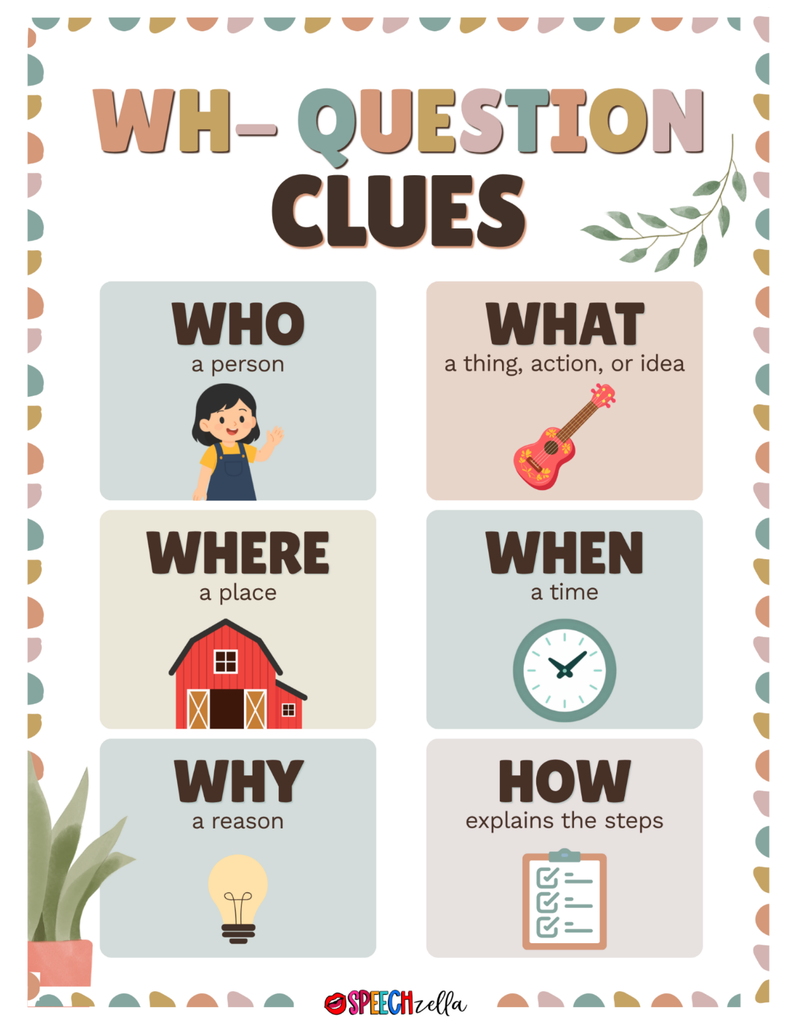
Altogether, my collection includes posters for wh- questions, categories, labeling, comparing/ contrasting, multiple meaning words, idioms, and language processing.
If you want the full collection, check it out here.
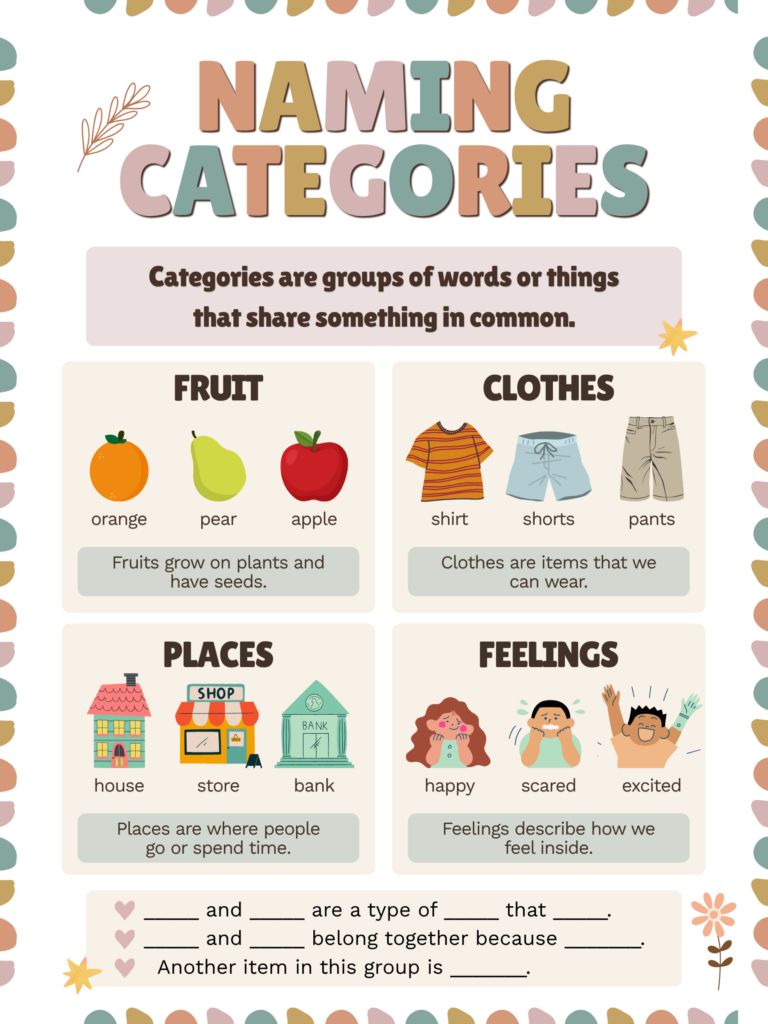
- A categories poster may provide examples that help students understand how items belong together.
- The comparing and contrasting poster can help students organize similarities and differences.
- Use the WH Questions poster when a student needs a reminder that “who” asks about a person.
Display the posters you’re currently using near your therapy table.
Students can look at the visual before asking for help, or you could point to it as a brief cue. This way, these posters can become functional speech room decor instead of something students just pass by.
5. Emotional Regulation and Sensory Supports
When students can’t explain how they feel or don’t know how to ask for the support they need, they may struggle to participate in the classroom.
The posters I created give students different ways to share information about themselves and their needs. Use these visuals in your speech room or add them to a cozy corner.
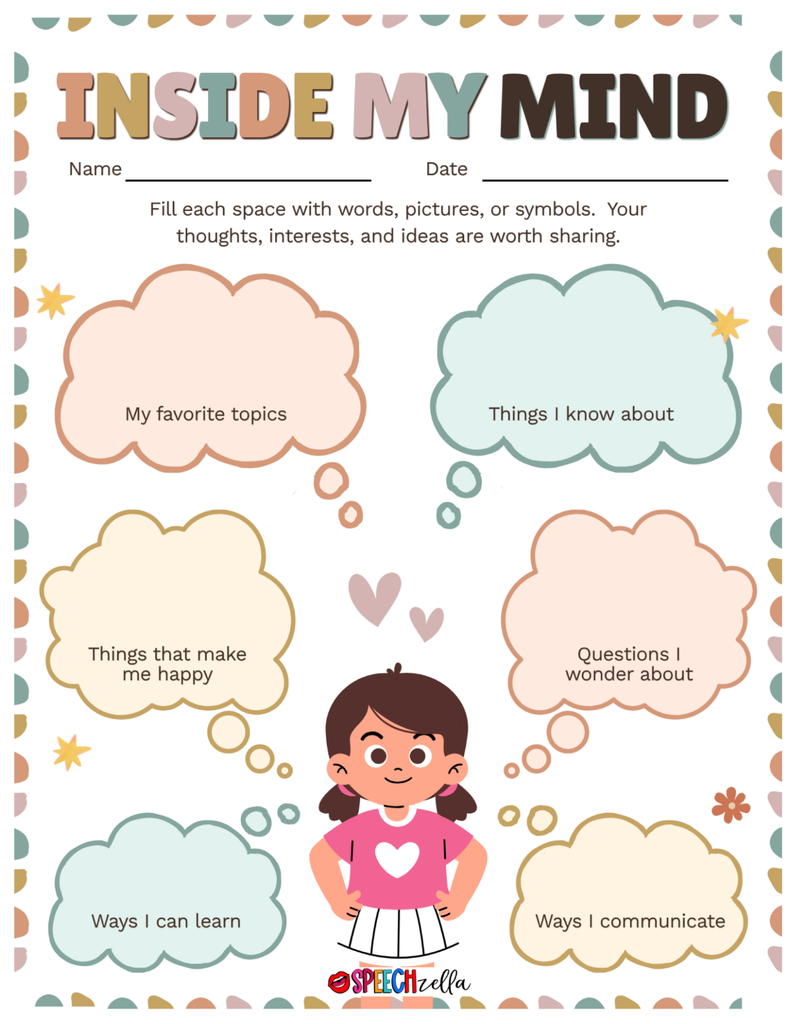
- Use the Inside My Mind template to learn more about your students. They can also tell you how they communicate and how they learn best.
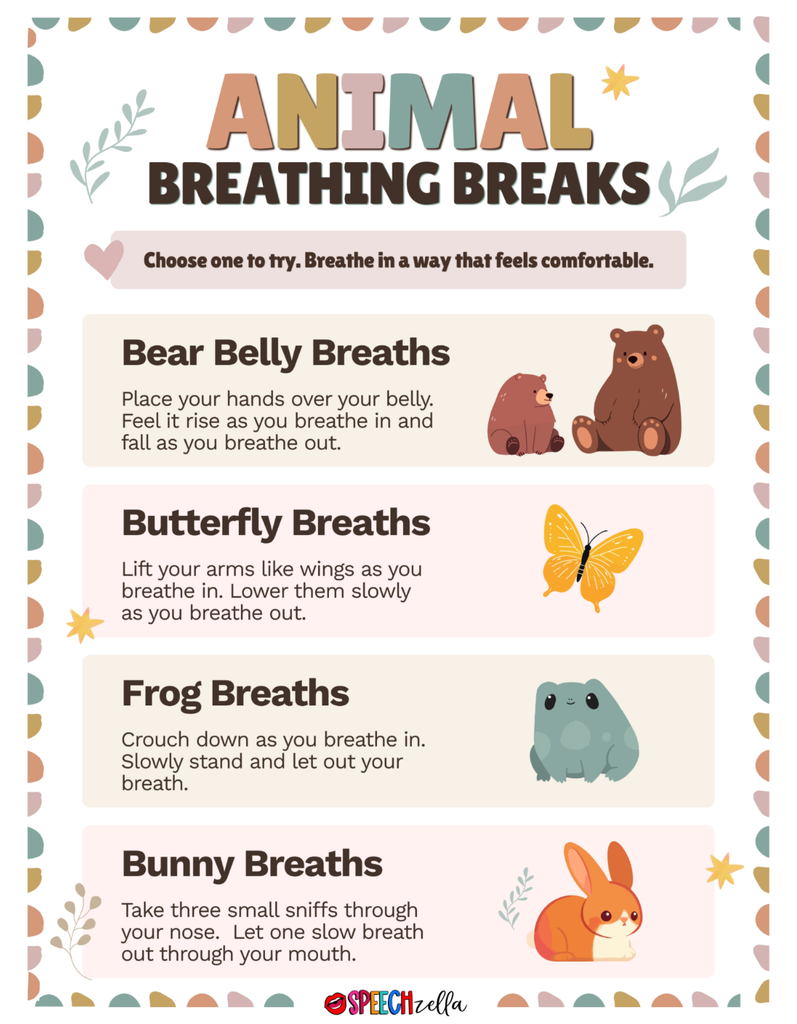
- Sometimes kids need a fun way to take a break, so let them try Animal Breathing Breaks!
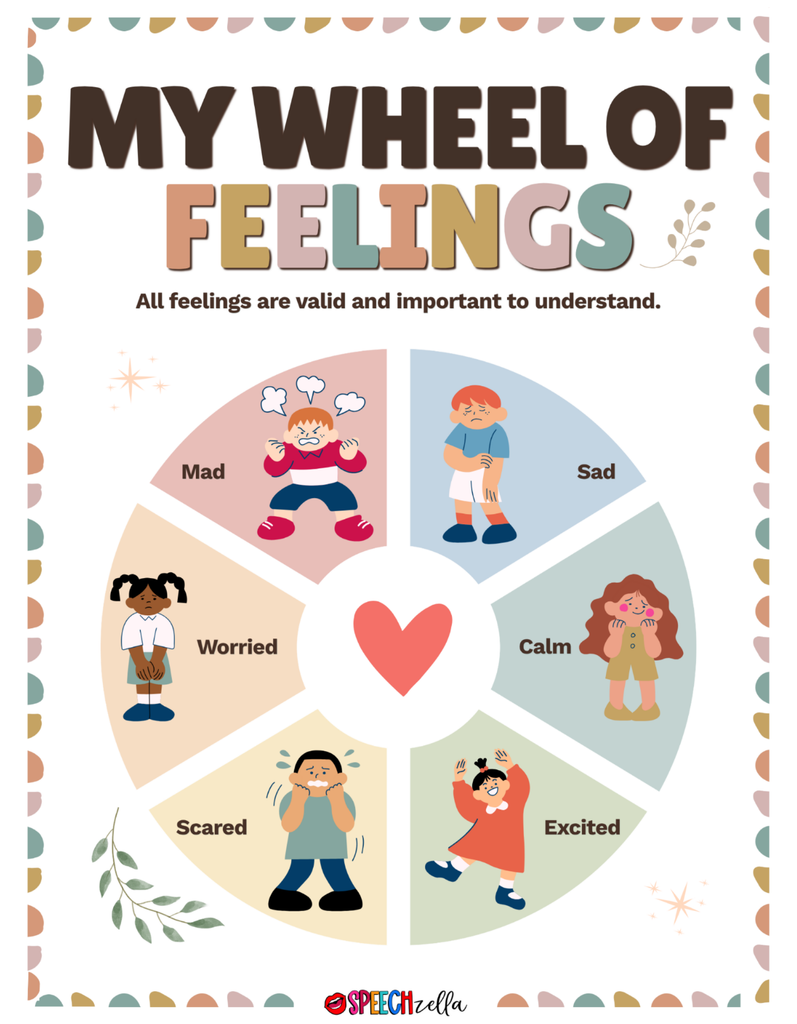
- The Wheel of Feelings poster lets your students know that all feelings are valid, no matter how strong.
Calming Tools and Feelings
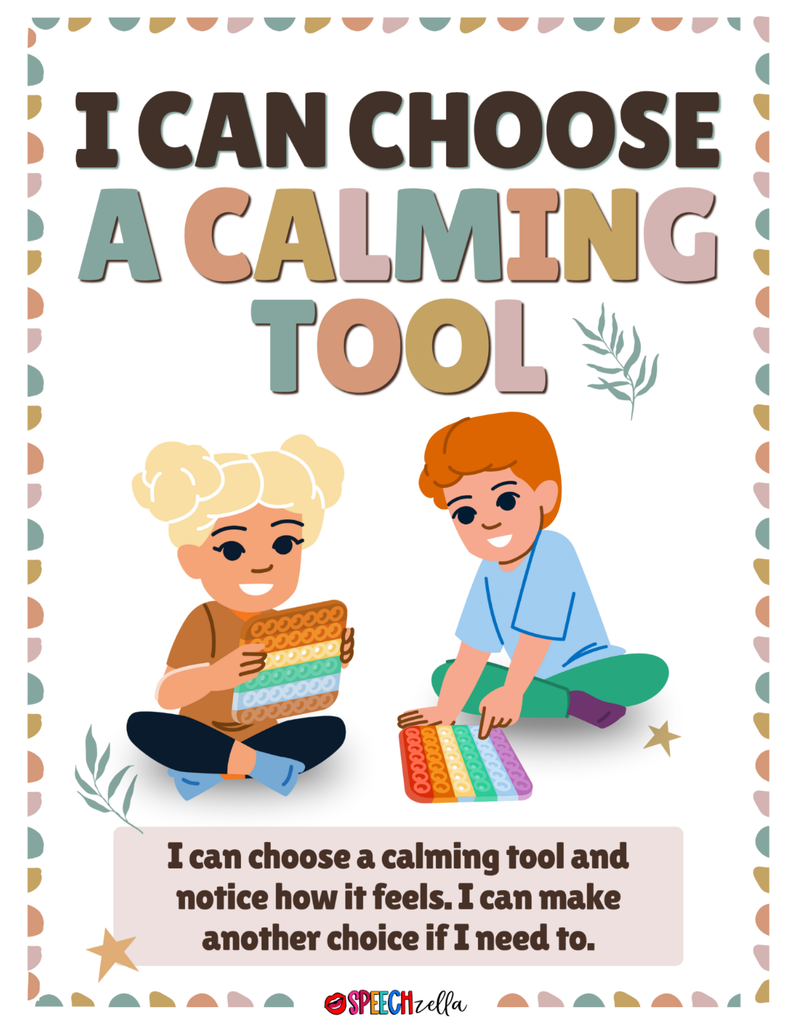
- I Can Choose a Calming Tool – Remind students that they can choose a tool, notice how it feels, and try something different if needed.
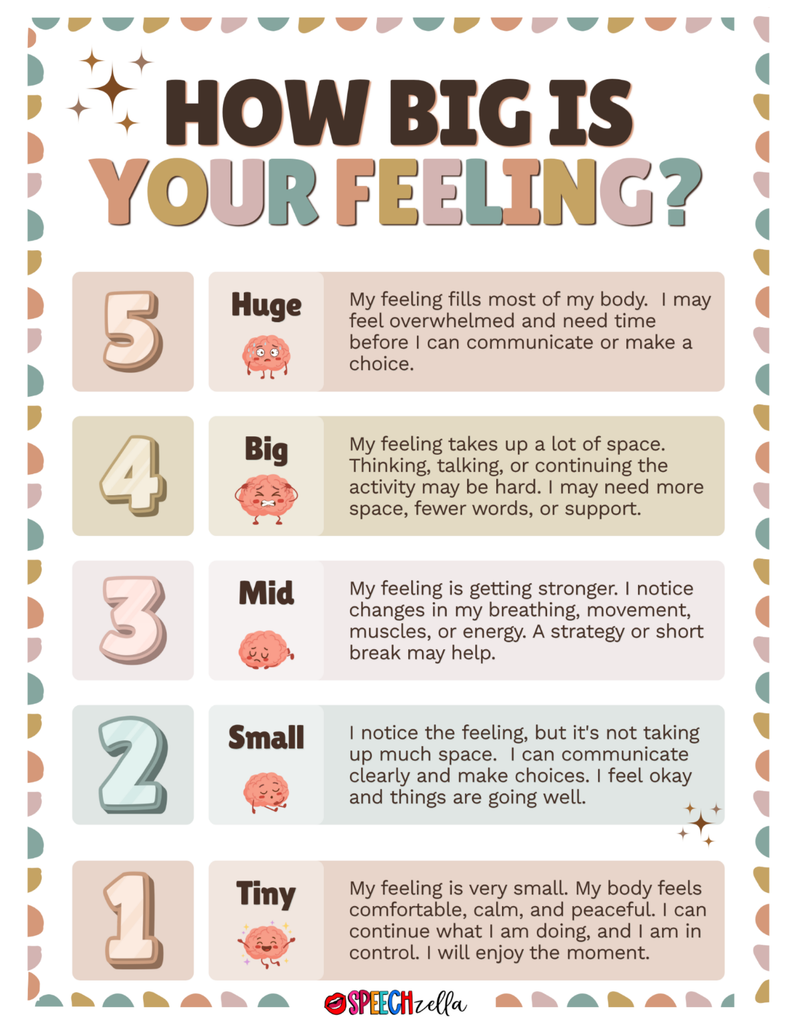
- How Big is Your Feeling? This poster helps students identify how strong a feeling is using a five-level scale during your sessions. It also describes body clues and supports that may help at each level.
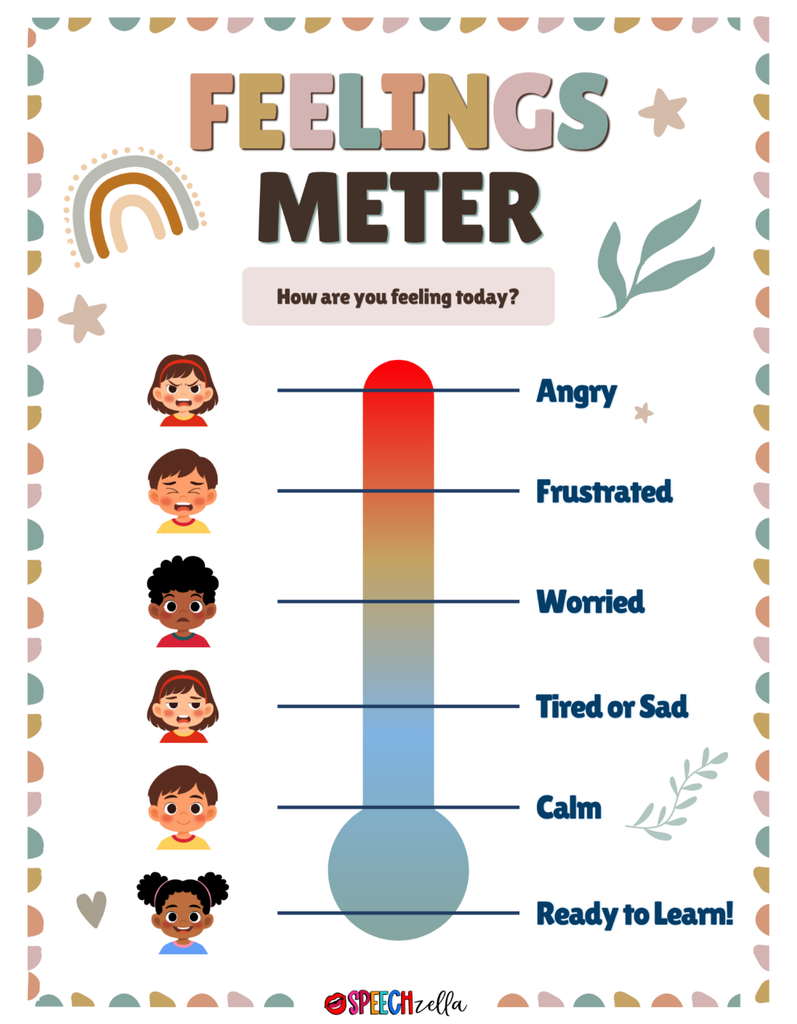
- Feelings Meter Poster – With this visual feelings meter, your students can identify and communicate how they are feeling. Use this for quick check-ins during sessions or in class.
The goal isn’t to make every student quiet, still, or calm before they can join therapy. Some students listen better while moving or holding an object.
These supports help students understand their needs, communicate what helps, and also participate in ways that work for their bodies and brains.
6. SLP Information and Organization Decor
Some speech room decor is meant for staff, parents, and students. These templates can help others understand your role and the skills you support during therapy.
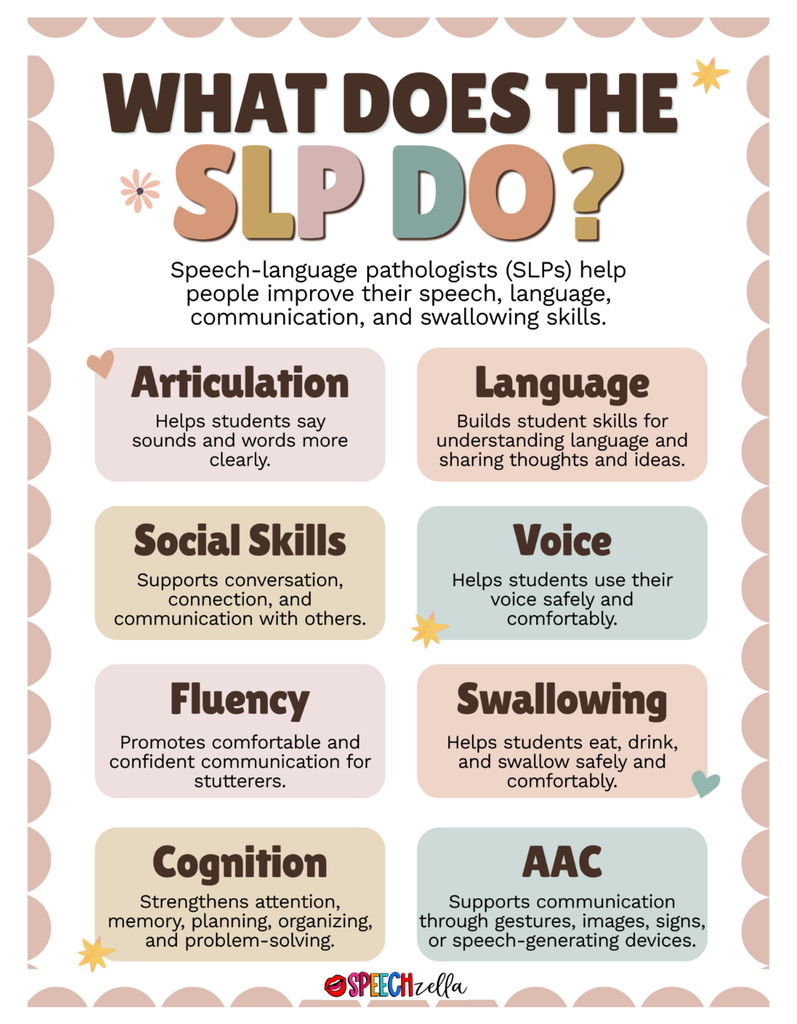
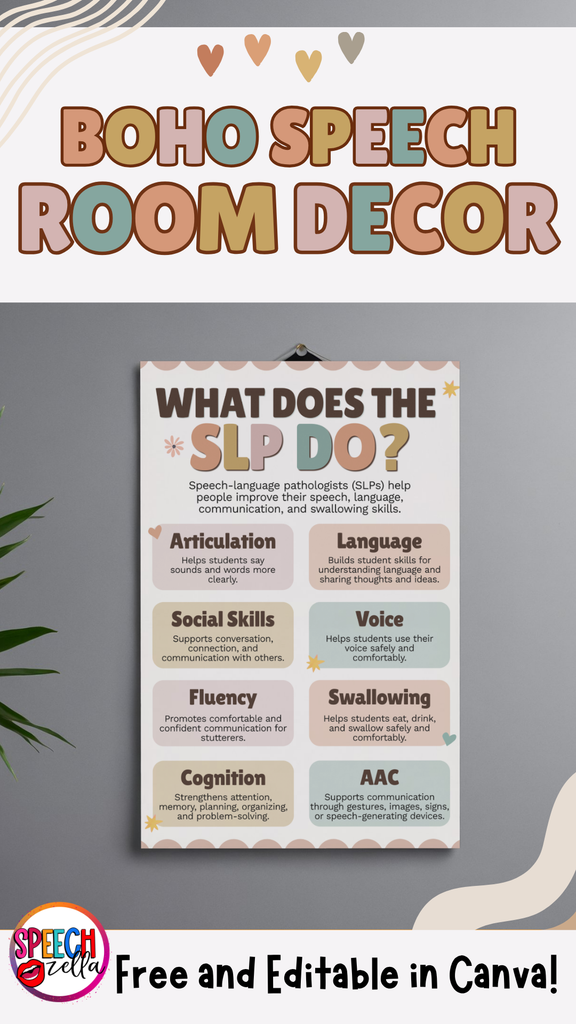
- What Does the SLP Do? Use this poster during your IEP meetings to help parents understand how you can help their child.
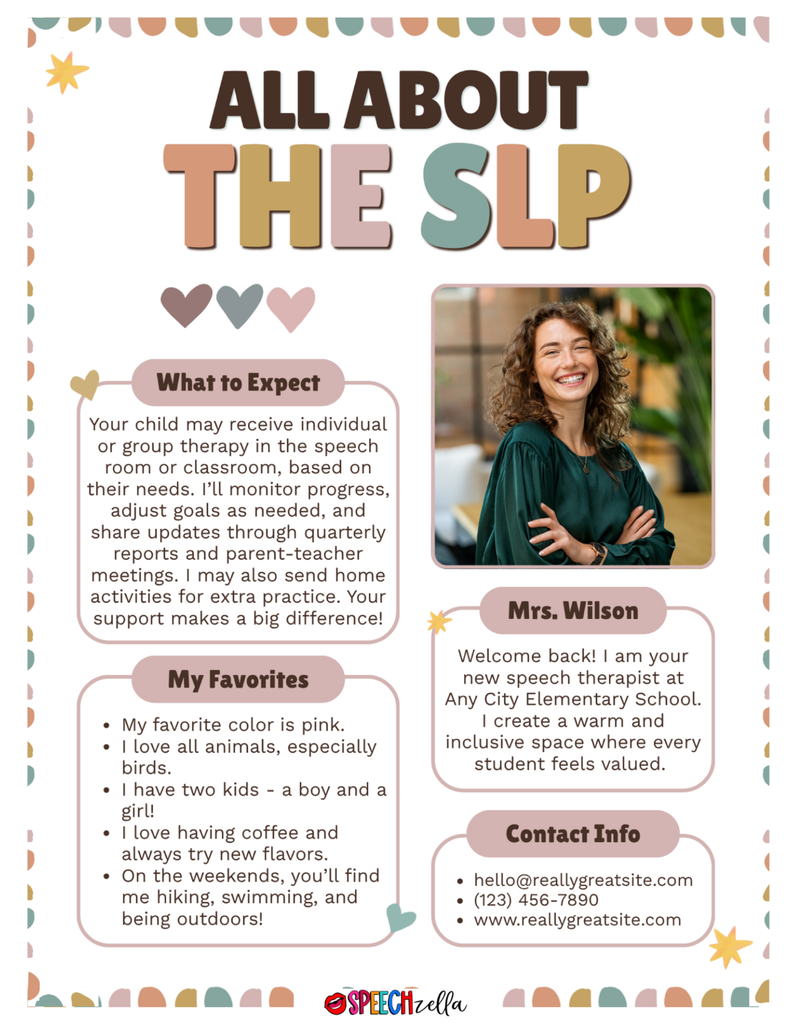
- All About the SLP: Introduce yourself to families with this boho handout.
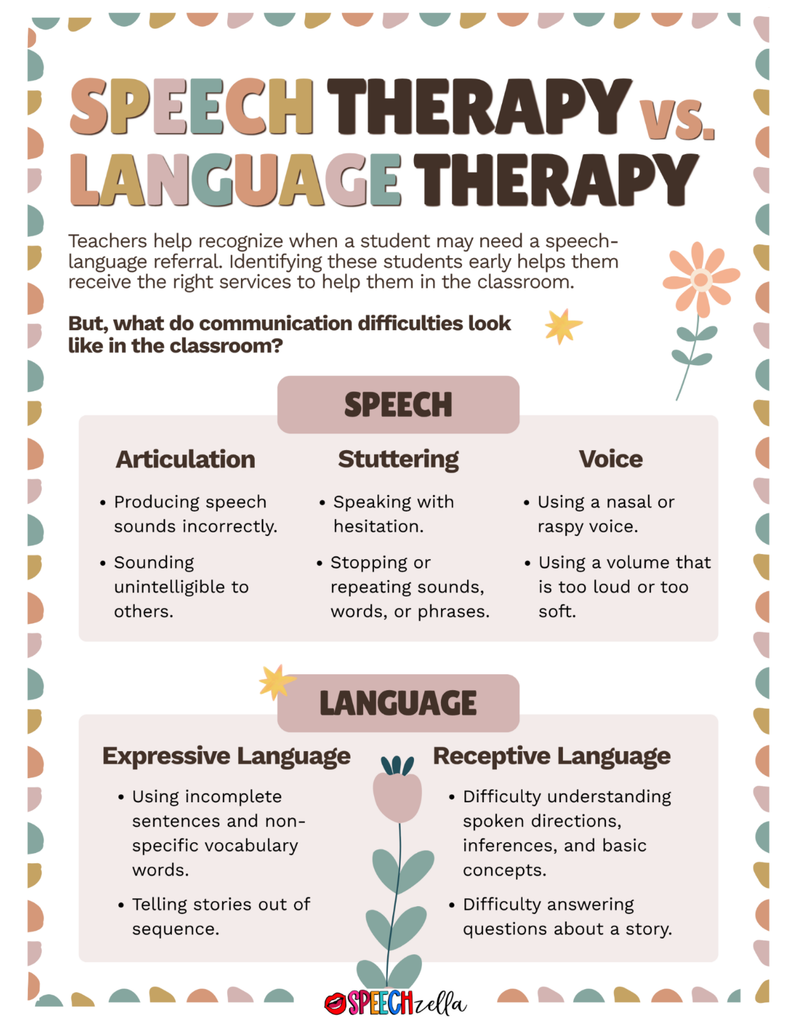
- Speech Therapy vs. Language Therapy: Help teachers and parents understand the differences between speech and language. For more handouts to share, check out my blog post: Speech vs. Language Disorders.
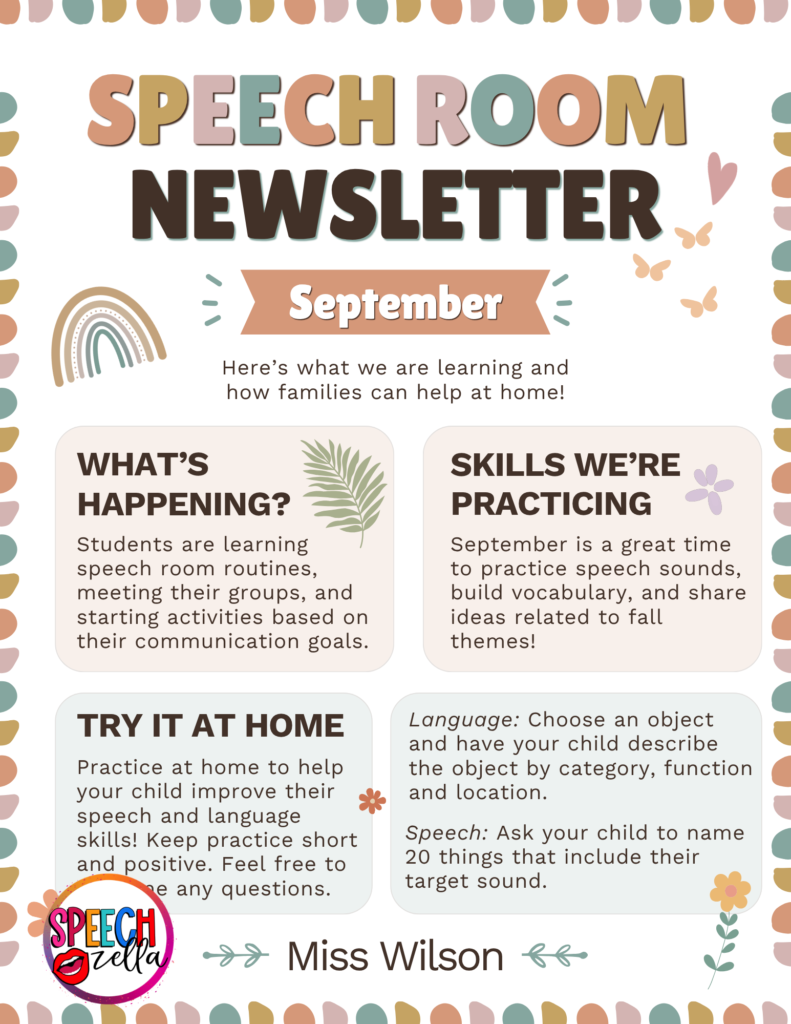
- A Speech Room Newsletter gives families and teachers a quick look at current activities and ways to practice while at home.
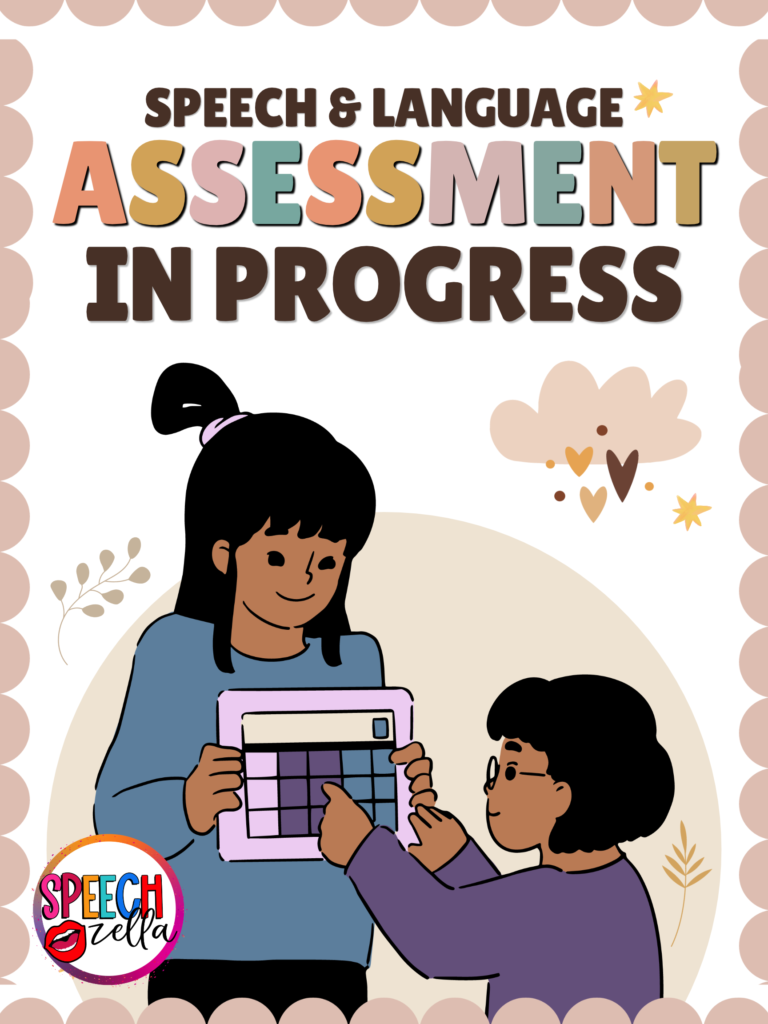
- An Assessment in Progress sign can reduce interruptions during testing.
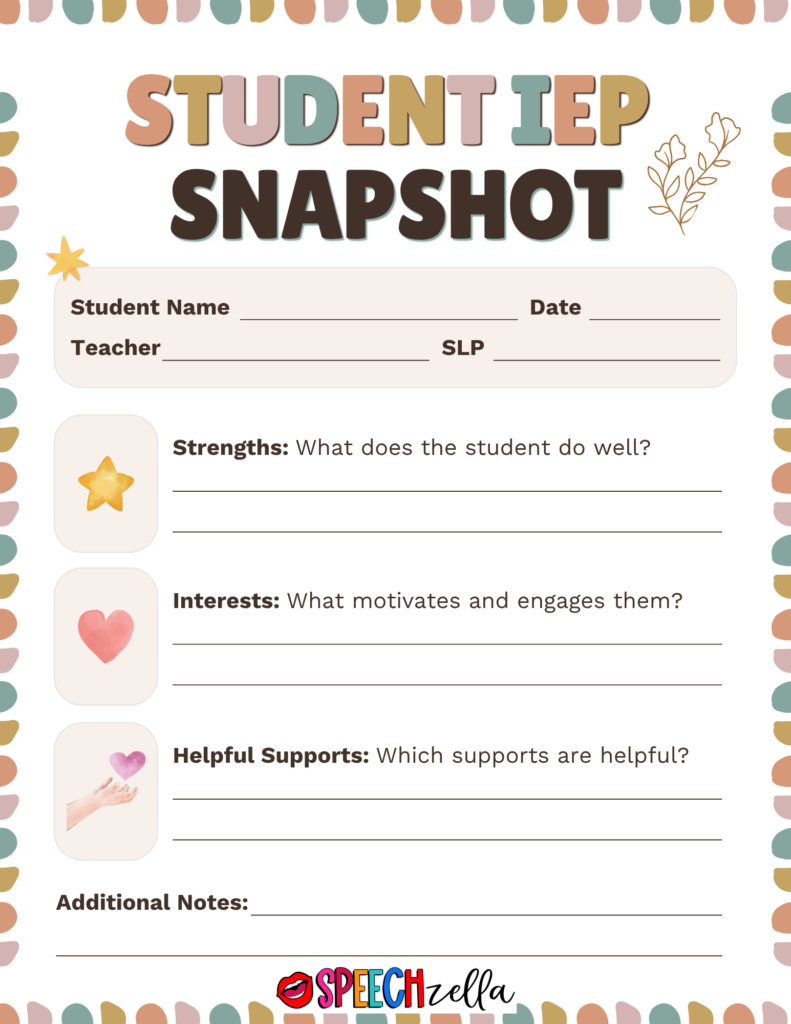
- The Student IEP Snapshot keeps important information organized so you can share it with the teacher.
This type of functional speech room decor can be especially helpful for interns, graduate clinicians, and new SLPs who are learning to organize a therapy space.
What Are Some Speech Room decor Ideas?
A few well-placed visuals can make your speech room easier to use. Start with the skills you teach and the routines your students use most.
Speech Room Visuals
- Rotate language posters to match your current goals, such as describing, comparing and contrasting, and idioms.
- Set up a quick feelings check-in or a “spot your feelings” poster where students can point to how they feel or share what would help them get started.
- Keep editable desk strips handy for students who benefit from visual reminders.
Help Students, Staff and Families Find What They Need
- Hang a Where Is the SLP? sign on your door.
- Display your speech room newsletter and What Does the SLP Do? poster together.
- Give teachers a Student IEP Snapshot for students who receive speech therapy.
Most importantly, functional speech room decor should be clear, readable, and easy to use. Choose visuals that connect to your students’ current needs and speech-language goals.
What Are Some Speech Room Decorating Ideas for Small or Shared Spaces?
Short on wall space or moving between classrooms? Print your favorite boho visuals at a smaller size and keep them on binder rings, a clipboard, or a rolling cart so you can have them wherever you go!
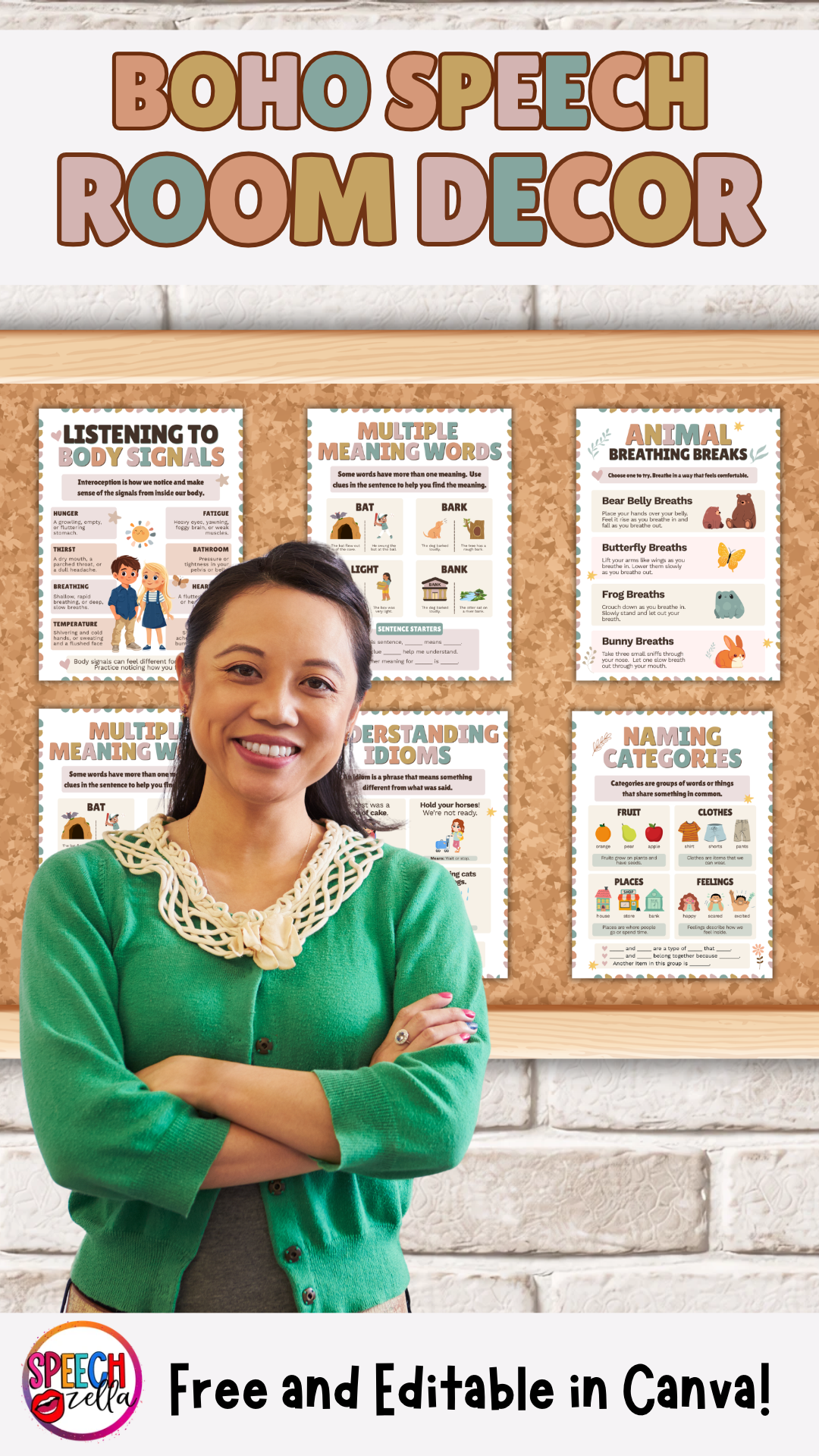
- Use one interactive bulletin board as a therapy display and change out the posters based on your students’ current goals.
- Place frequently used visuals in tabletop frames near the therapy table.
- Attach the posters to a folding presentation board you can store when therapy ends.
All you need are three or four matching pieces of functional speech room decor to make even a tiny space feel warm (as well as purposeful!).
Free and Editable Boho Speech Room decor in Canva
Above all, the functional speech room decor featured in this post is free and editable in Canva. You can also update the text, names, images, colors, and design elements to fit your students, school, and therapy space.
Customizable Canva Templates
Here’s how to customize these templates:
- You can add your school’s schedule, change the speech room rules, or include visual symbols that are familiar to your students.
- Even if you have families who speak another language, you can translate information, replace examples to match current therapy goals, or add your name and photo to an All About the SLP page.
- You can also adjust the templates for different ages and communication needs.
- Print them as full-page posters, smaller reference cards, desk strips, or pages for a therapy binder. When appropriate, you can share some resources digitally with students, teachers, or families.
If you work in a K–12 school, you can sign up for Canva Education for free to access more features and Pro content!
More functional speech room decor
If you want to check out my other (non-boho) decor for speech pathologists, check out my blog post where I share resources that you can use during IEP meetings. Here’s what’s included:
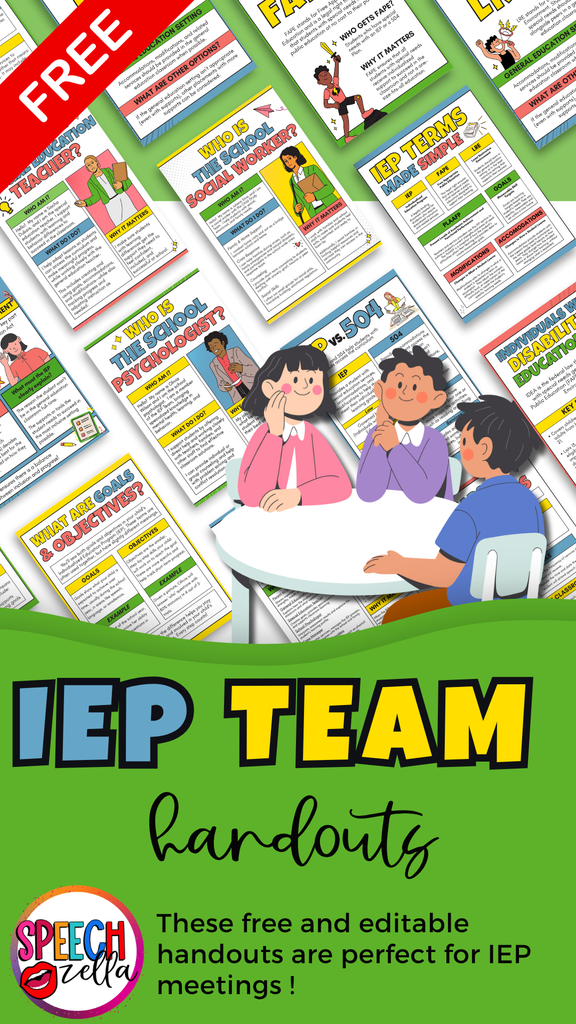
Posters / handouts:
- Who is the case manager?
- What is the IEP team?
- Who is the special education teacher?
- Who is the school social worker?
- Who is the school psychologist?
- What is LRE?
- What is a transition plan?
- What are goals and objectives?
- What is IDEA?
- And more….
Presentations:
- What is the IEP team?
- What is Special Education?
How to Keep a Boho Speech Room Useful All Year
You don’t need to display every poster at once!
Basically, keep permanent displays limited to the welcome sign, speech room rules, visual schedule, and communication supports your students use regularly. Then, you can rotate instructional posters as therapy goals and groups change.
Every few months, look at the room from a student’s eye level.
- Can students see and read the important information?
- Are they using the visuals independently or with support?
- Is there too much clutter in the room?
Ask students which visuals, tools, or reminders help them during therapy. Their answers may surprise you!
Boho-style decor can make the speech room feel warm, but it’s important to use functional speech room decor.
Students should be able to point to it, read it, or refer to it—not simply look at it.
-Zuzel