

Why the Autism Puzzle Piece Symbol Is Controversial
The autism puzzle piece logo has been around for decades. You've probably seen it on bumper stickers, t-shirts, and during Autism Awareness Month—especially on April 2nd, World Autism Awareness Day. But lately, you might’ve heard that many autistic people don’t like it. In fact, some even hate it.
So what happened? Why is the autism puzzle piece symbol now considered controversial? And what do other symbols, like the rainbow infinity symbol, represent?
Keep reading below to get a better understanding of the autism puzzle piece logo and why it's controversial! Plus, you'll also get 4 free and editable Canva templates to explain the puzzle piece controversy to teachers and parents.
When we understand this symbol, it can help us grow our understanding of autism and acceptance of the autistic community.
Jump ahead to:
- Poster: Identify First or Person First Language
- Reading Comprehension Worksheet
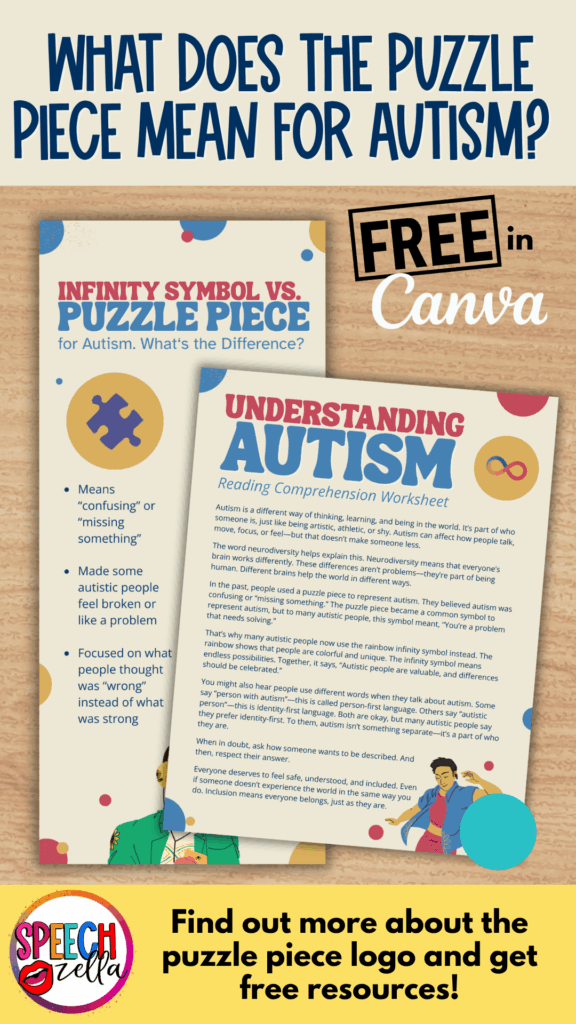
- Infographic: What's the difference between the puzzle piece and infinity symbol?
- Presentation: What's the Deal with the Puzzle Piece?
What Does Puzzle Piece Mean for Autism
Gerald Gasson, a parent and board member of the National Autistic Society (NAS) in the UK, designed the puzzle piece symbol for autism in 1963. Back then, the puzzle piece reflected how people saw autism and autistic people.
Over the years, other groups, including Autism Speaks, adopted the puzzle piece and used it in their logos and awareness campaigns. These puzzle pieces often came in different colors or were shown as part of a whole image made up of many pieces. A crying child was often included.
The idea was to show that autistic people were unique and complex, like a puzzle. Some people also said the symbol represented how autistic people were a “missing piece” in society, and to symbolize the complexity of the autism spectrum.
But …. That doesn’t sound right?
Imagine being told you're a missing piece, or that the human brain is a puzzle to figure out. That doesn't feel very kind or respectful, right?
What Is the Autism Puzzle Piece Controversy?
In recent years, many autistic adults and advocates have said the original design sends the wrong message. Instead of celebrating their unique strengths, the symbol makes it seem like something is wrong with them. It suggests that autistic people are confusing, broken, or in need of a fix.
Now, autistic advocates and communities emphasize that the puzzle piece is upsetting… Here are a few reasons why:
It Was Created Without Input from Autistic People
When the autism puzzle piece was first introduced in 1963 by the National Autistic Society in the UK, autistic voices weren't part of the conversation. The original creators were parents and professionals trying to symbolize autism as a mysterious and puzzling condition.
But the creators did not consult an autistic person or ask how they felt about the symbol that would represent them.
That’s like someone else choosing a label or a picture to represent you without ever asking your opinion.
Today, we know it’s important for groups to speak for themselves.
Autistic people deserve to have their own voices heard when it comes to symbols and images that represent their lives and experiences.
Because of this, many autistic adults say they don’t relate to the puzzle symbol.
We should listen to autistic people and respect their preferences when choosing symbols and language that directly impact their identity.
The Puzzle Piece Has Sad and Negative Connotations
The history of the puzzle piece is connected to feelings of sadness, confusion, and even shame, and was linked with finding a cure or fix for autism and not embracing it.
This sad and negative history makes many autistic adults uncomfortable with the puzzle piece today. The puzzle piece makes them feel misunderstood and pitied, instead of represented and accepted.
Now, many in the autism community prefer symbols that highlight their unique talents and celebrate diversity, like the positive and inclusive rainbow infinity symbol.
Autistic Adults Find the Puzzle Piece Too Childish
Many autistic adults say the autism puzzle piece feel childish or too infantilizing. The puzzle piece symbols are usually very bright, playful, and kid-friendly, featuring primary colors or cartoonish designs. Although these designs might seem fitting for autistic children, they can suggest that autism is only a childhood condition.
But autism doesn’t magically disappear when someone grows up—it’s a lifelong experience.
So imagine being an autistic adult, proud of your identity, trying to be taken seriously at work, at school, or in your community, and then seeing yourself represented by images that feel like they're meant for children.
Very frustrating.
This feeling of being treated like a child—or infantilized—is a big reason many autistic adults have moved away from the puzzle piece.
They prefer symbols like the rainbow infinity symbol, which respects the maturity, intelligence, and unique strengths of autistic adults and teens, not just kids.
A more empowering symbol helps others to see autism as just another natural way of being human, valid at every age.
Listening to the autistic community helps ensure symbols are respectful, inclusive, and represent everyone, no matter their age.
Some Autistic People Don’t Support the Groups Using the Puzzle Piece.
Another reason the autism puzzle piece feels problematic for many in the autistic community is because it's closely linked with certain autism organizations that many autistic people criticize. A big example of this is Autism Speaks.
While Autism Speaks is a widely recognized organization that often uses puzzle pieces—especially in the color blue—as their main symbol, many autistic adults don't support this group because they feel it promotes harmful messages.
Why don't autistic people support Autism Speaks?
Historically, Autism Speaks focused heavily on finding “cures” for autism, depicting autism as something negative. Many of their earlier awareness campaigns portrayed autistic people as burdens or puzzle pieces that were “missing” or “broken,” and they didn't always actively include the voices of autistic people themselves.
Imagine if an organization claiming to speak on your behalf portrayed you as broken, incomplete, or in need of repair.
That's why many autistic adults prefer to distance themselves from the puzzle piece symbol, especially the blue puzzle piece tied to Autism Speaks.
Instead, they choose symbols and groups whose main focus is on empowerment, pride, unique strengths, and authentic representation, such as the rainbow infinity symbol.
This shift is part of a growing movement towards autism acceptance rather than just awareness.
The key takeaway here: Listen carefully to the voices of the autistic community itself, and support organizations that autistic people feel accurately represent their identities, lives, and goals.
What is Neurodiversity?
Neurodiversity is the simple idea that all brains don’t work the same way, and that’s okay. Just like biodiversity means many kinds of plants and animals keep our planet healthy, neurodiversity means many kinds of brains keep our human family strong.
Some brains are autistic, some have ADHD, some learn best with extra visuals or movement, and some fit the “typical” mold—but none of them are broken.
The term was first coined in the 1990s by sociologist Judy Singer, who is autistic herself.
Her point?
Our differences aren’t flaws to fix; they’re natural variations to respect, include, and celebrate.
When we talk about autism within the bigger picture of neurodiversity, we shift from “How do we cure this?” to “How do we support and value every brain that shows up?”
What Is the Alternative to the Autism Puzzle Piece?
If the puzzle piece is problematic, what about other symbols autistic individuals prefer?
You may have seen the rainbow infinity symbol floating around in autism-related content. This new symbol is often used instead of the puzzle piece, especially by autistic adults and advocates of the neurodiversity movement.
What Does the Rainbow Infinity Symbol Mean?
- The infinity symbol represents endless possibilities and diversity.
- The rainbow colors show the wide range of experiences and strengths in the autistic community.
- It sends a message of acceptance, not just awareness.
Is the Autism Infinity Symbol Controversial?
Instead of saying “You're a puzzle we need to solve,” the infinity symbol says, “You're part of a colorful and infinite spectrum of human experience.”
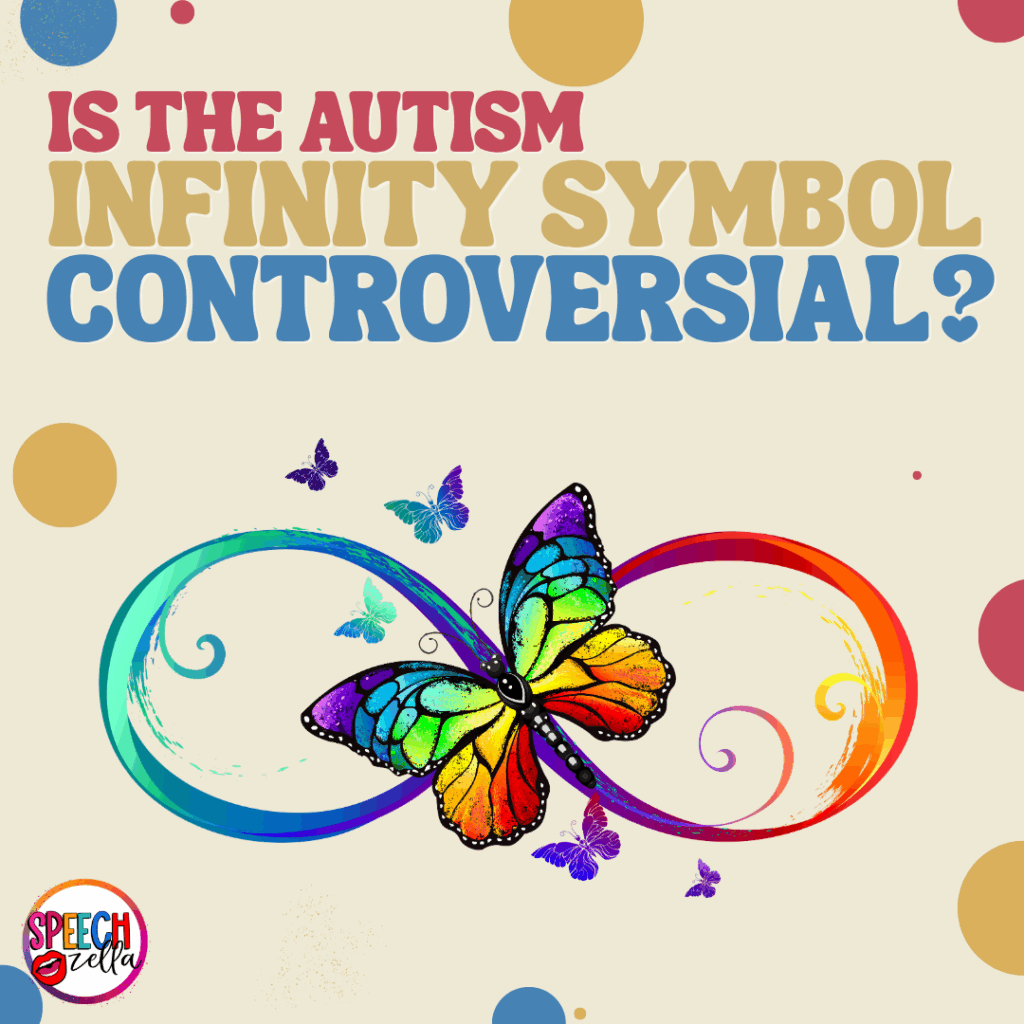
Unlike the puzzle piece, autistic people embraced and shared this symbol.
So… is it controversial?
Not really—but some say that even the infinity symbol should be used with care. Like any symbol, it's important to ask and listen to what autistic individuals want to use to represent themselves.
The Importance of Listening to Autistic People
If you take away one thing from this post, let it be this:
Listen to autistic voices.
The autistic community includes children, adults, parents, professionals, and advocates who live this experience every day.
Their views on symbols, labels, and acceptance / awareness campaigns should lead the conversation.
For a long time, people talked about autistic people instead of talking with them.
That is changing now—and we need to keep the momentum going.
Listening helps shift the focus from awareness (which is passive) to acceptance (which is active).
Resources to Understand the Autism Puzzle Piece Controversy
Understanding why the autism puzzle piece is controversial can feel complicated at first.
But don't worry—I've got you covered! I've created some easy-to-use resources right in Canva that will help you clearly understand these important ideas.
Whether you're a teacher, speech therapist, parent, or advocate, these visuals and activities will help you understand this complex topic, encourage respectful conversations, and support the autistic community. Feel free to click, explore, and share to spread autism acceptance, not just awareness!
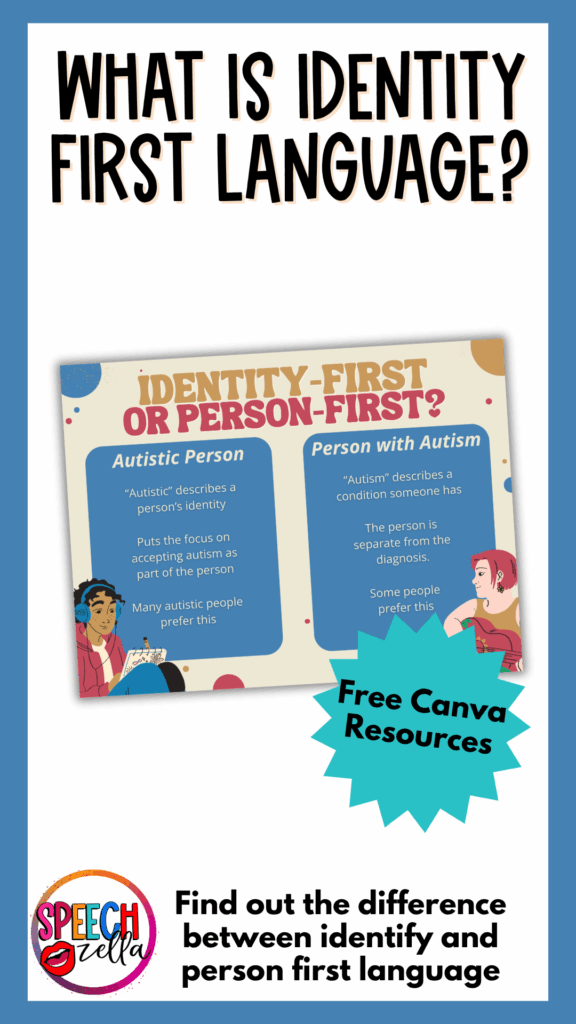
1. Autism Poster: Identity-First or Person-First Language?
Do you say “autistic person” or “person with autism?” 🤔 If you've wondered about this—or if you want to respect how autistic individuals prefer to identify themselves—this colorful and clear Autism Poster resource is perfect for you!
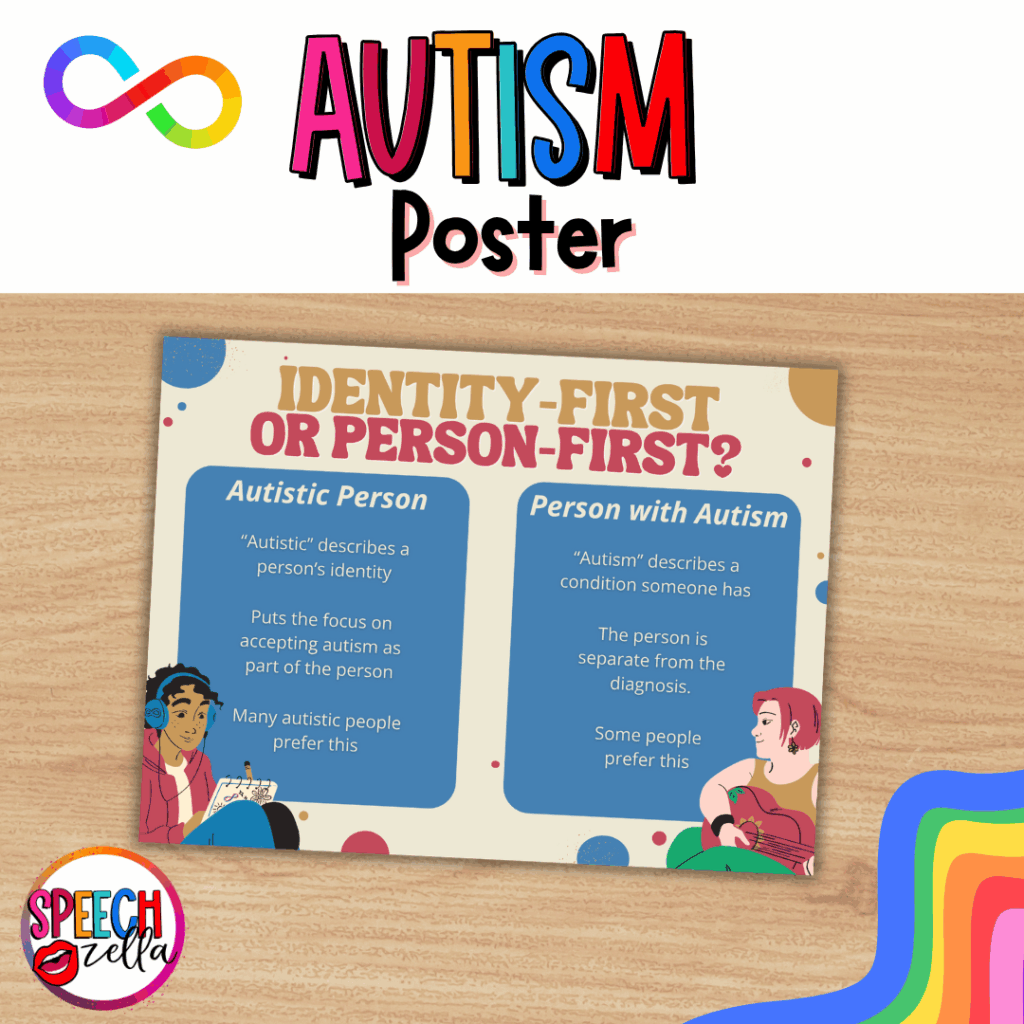
Use this poster to explain the difference between identity-first language (“autistic person”) and person-first language (“person with autism”) in an easy-to-understand way.
It also explores why many autistic people prefer identity-first language as a positive way to embrace their identity.
✨ This autism poster is perfect for:
- Classrooms, speech therapy rooms, and homeschooling.
- Spreading autism acceptance.
- Helping adults and children use respectful language.
2. Infographic: Infinity Symbol vs. Puzzle Piece
If you’re curious about why the autism puzzle piece is controversial and why many prefer the rainbow infinity symbol instead, check out this infographic! 🌈♾️
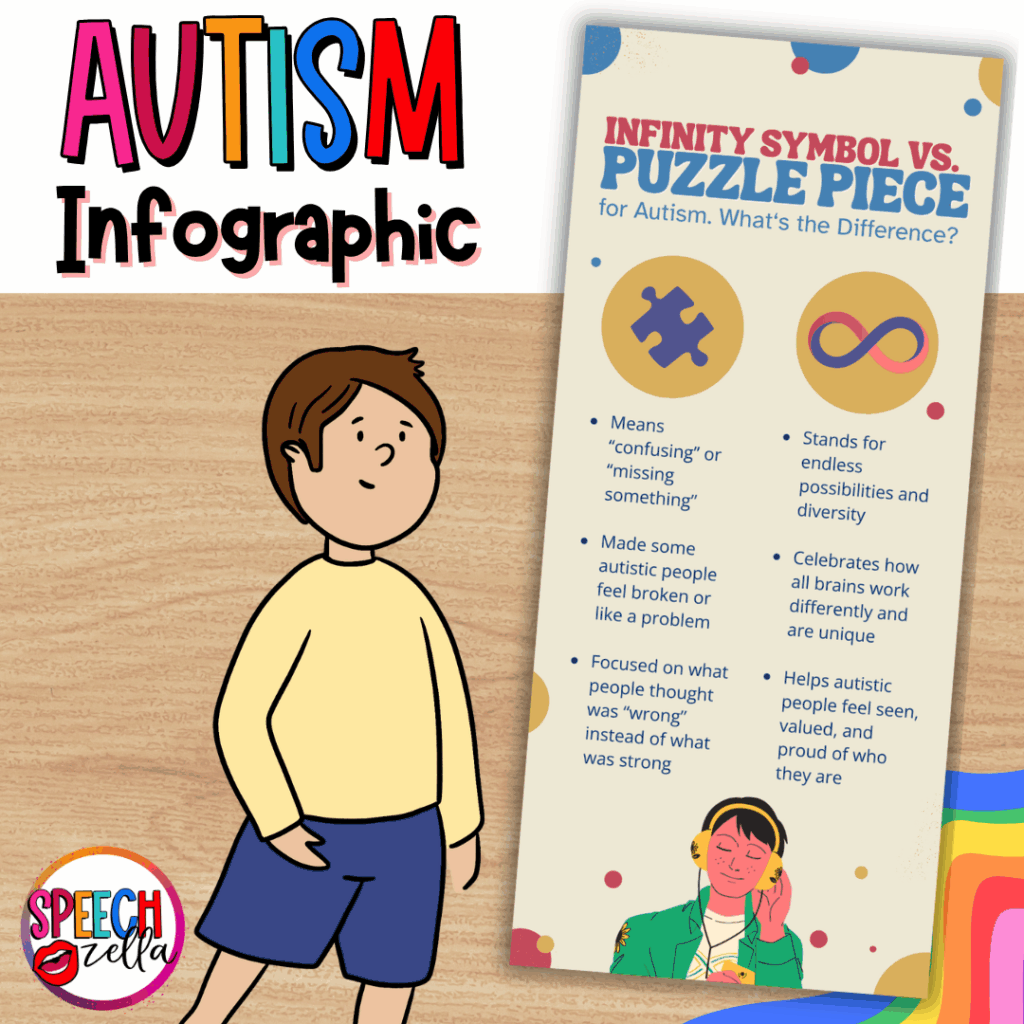
This visually appealing, easy-to-read infographic clearly explains:
- The history and meaning of the autism puzzle piece.
- The symbolism behind the rainbow infinity symbol.
- Why many in the autistic community embrace one symbol and find the other problematic
3. Understanding Autism Reading Comprehension Worksheet
Looking to build understanding and empathy for autism in your students or therapy clients? 🧠 This engaging and thoughtful reading comprehension worksheet is just right for your middle school students!
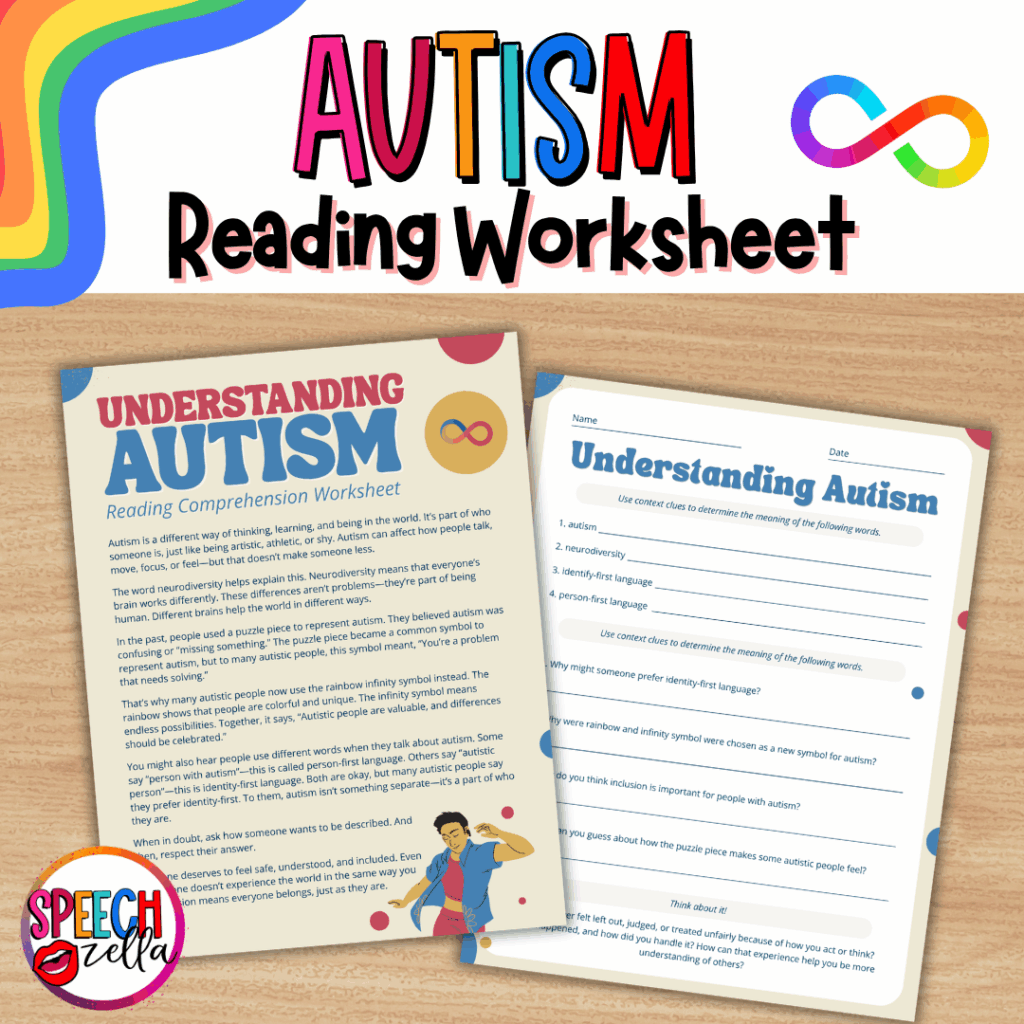
This autism reading comprehension worksheet covers topics like:
- Basic facts about autism and neurodiversity
- Vocabulary words related to autism acceptance
- Inferencing practice and comprehension questions.
✨ Perfect For:
- Middle school classrooms (6th & 7th graders especially)
- Speech-language therapy sessions
- Supporting reading comprehension, vocabulary, and inferencing skills, while promoting autism acceptance
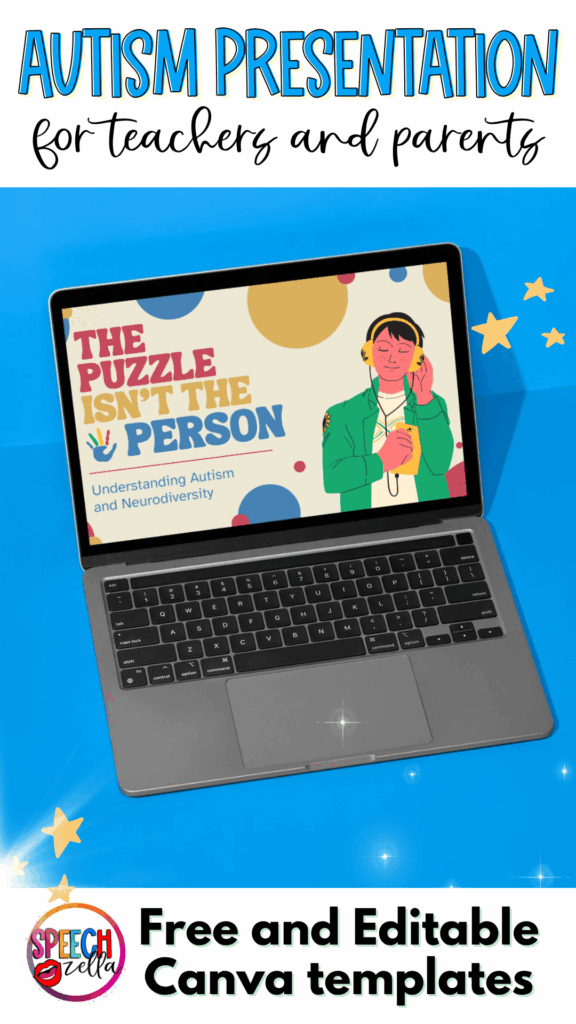
4. What’s the Deal with the Puzzle Piece? — Presentation
If you know people who have wondered why many autistic people no longer identify with the autism puzzle piece symbol? This informative and visually engaging presentation explains the following:
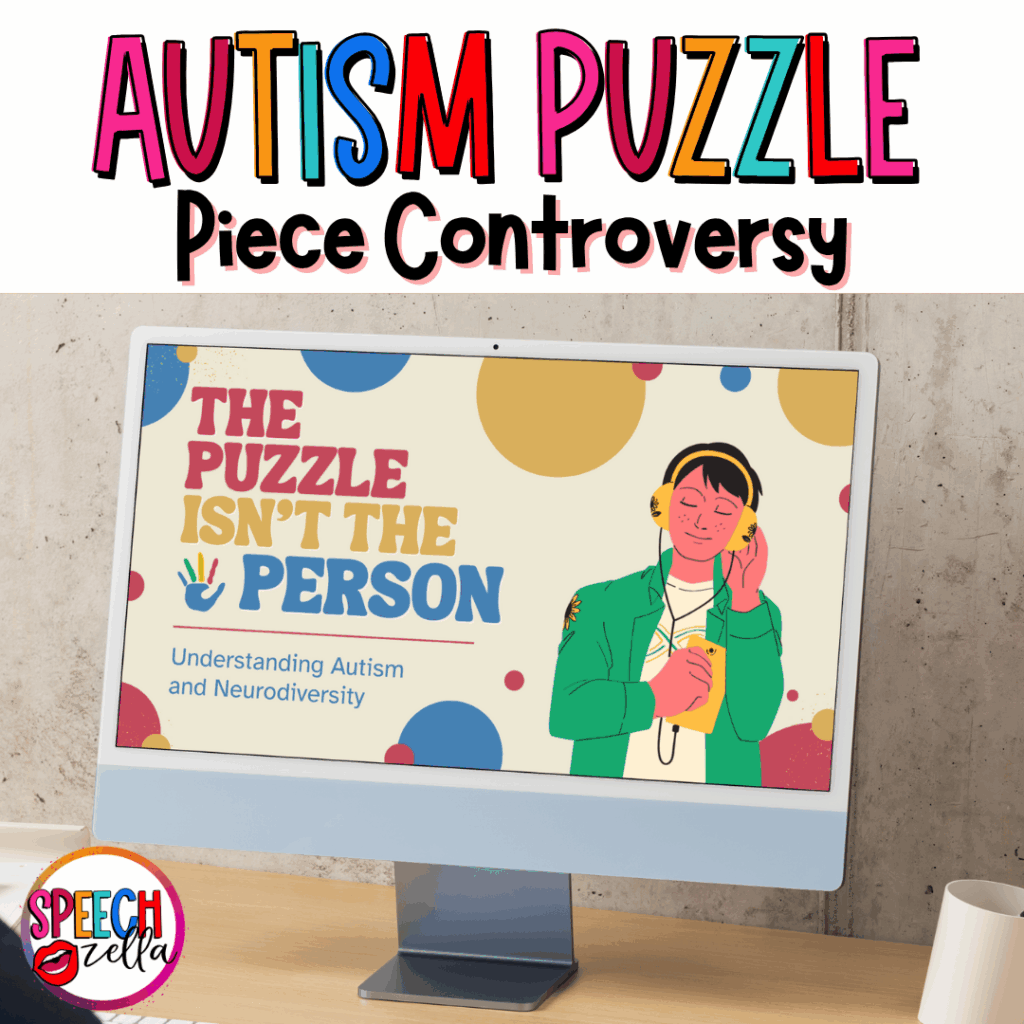
- The history of the puzzle piece and how it started
- Why the puzzle piece became controversial among the autistic community
- The reasons why many autistic adults prefer the popular alternative: the infinity symbol.
- What symbols, like the rainbow infinity, does the autistic community choose instead?
Packed with clear explanations and engaging visuals, this resource makes it easy to understand and share information in a respectful and inclusive way.
✨ Perfect For:
- Educators, therapists, or advocates who want a ready-to-use presentation
- Professional development and training
- Autism acceptance education in classrooms and community events
👉 How to use these resources:
These resources are all ready-to-use Canva templates and downloads you can immediately incorporate into your teaching, therapy sessions, parent meetings, or even share on social media.
These resources help you and others understand autism and help promote acceptance, not just awareness.
If you're ready to get started, click on any resource above to explore and start using it today! 🚀🌟
Let me know if you need any further customizations or anything else! 😊
💡 Let’s Move From Awareness to Acceptance
The autism puzzle piece has a long and complicated history. It started as a well-meaning idea, but it didn’t age well. As we understand more about autism, we also need to rethink the symbols we use.

If a symbol makes the people it represents feel misunderstood or hurt, it’s time for something better.
Let’s choose symbols that celebrate unique strengths, show respect, and are created with the voices of the autistic community front and center.
Because autism isn’t a puzzle to solve. It’s a different way of being human—and that deserves acceptance, not just awareness.
🧠 In Conclusion
- The autism puzzle piece logo is controversial because of its negative origin, lack of input from autistic people, and ties to problematic organizations.
- Many prefer the rainbow infinity symbol, which shows diversity and endless possibilities.
- Listening to autistic adults and autistic kids matters more than ever.
- Let's shift from puzzle piece autism awareness to meaningful autism acceptance.